Agroforestry in Argentina

Gran Chaco, Argentina
Go Forest and field partner Alianza Wichi work to protect and defend indigenous cultures, nature, and biodiversity of the Yunga and Chaco regions in northern Argentina. The Gran Chaco communities are historically nomadic hunter-gatherers, living from and within vast, high-quality forests, not working the land, but sustained by it. Decades of logging have severely damaged these forests, disrupting their traditional way of life and triggering serious consequences for food security, nutrition, and community health. Cultural diversity is key for ...Read more
4464
trees planted
2232.00
tonnes of CO₂
absorbed during lifetime

Location

Facts & figures
Operations

Operations

Operations

  • The project is operated on the ground by our technical partner Alianza Wichi

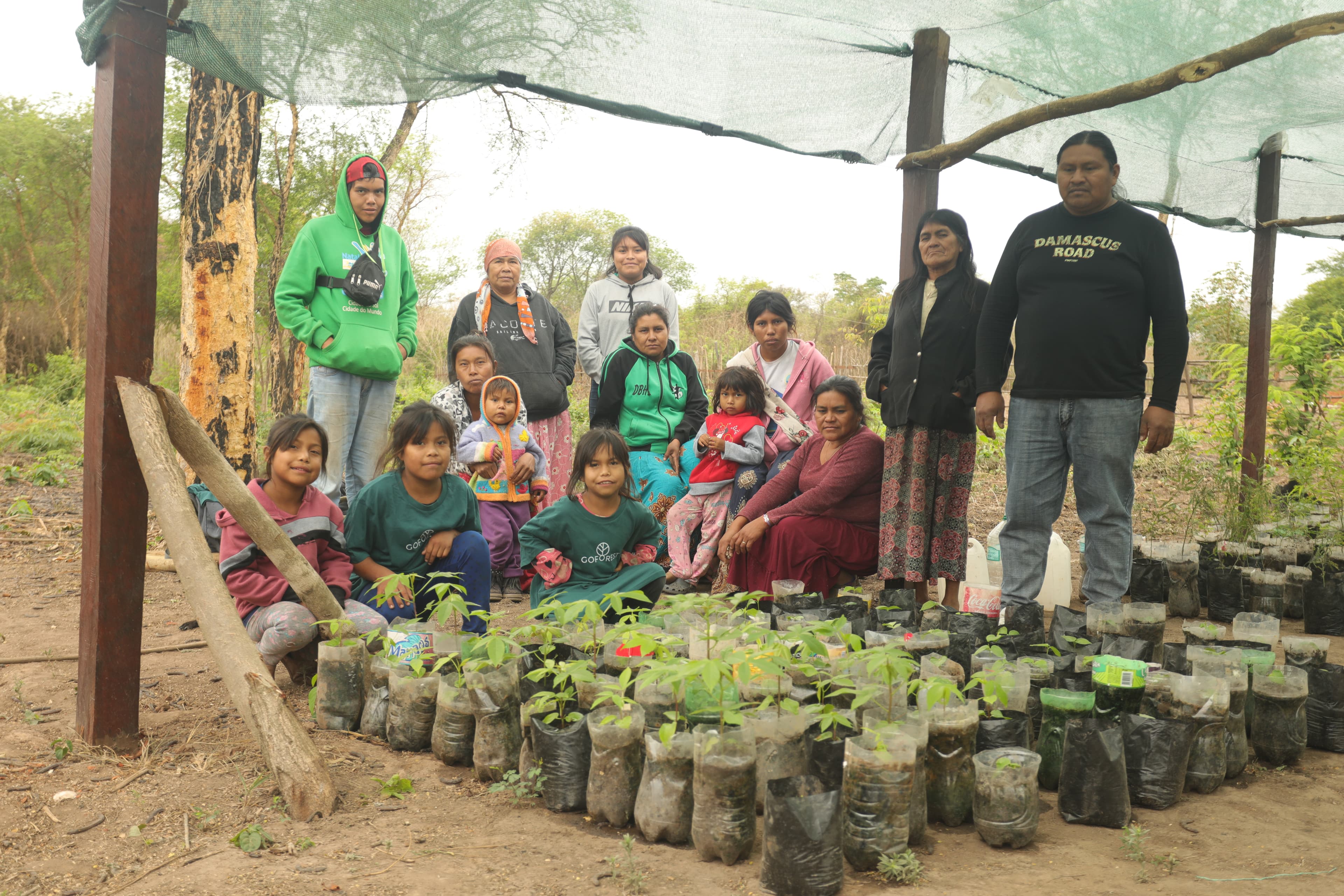
  • Nursery infrastructure is set up within Indigenous communities, restarting a virtuous circle for both ecosystem restoration and community income generation

  • Each nursery is built to produce between 5,000 and 10,000 trees in its first year

  • A team of community members manages all aspects of nursery development and production, including seed collection and storage, and installation of basic infrastructure such as protective fences, half-shade irrigation posts and substrate and fertiliser collection

  • A forestry engineer periodically supports and accompanies each project

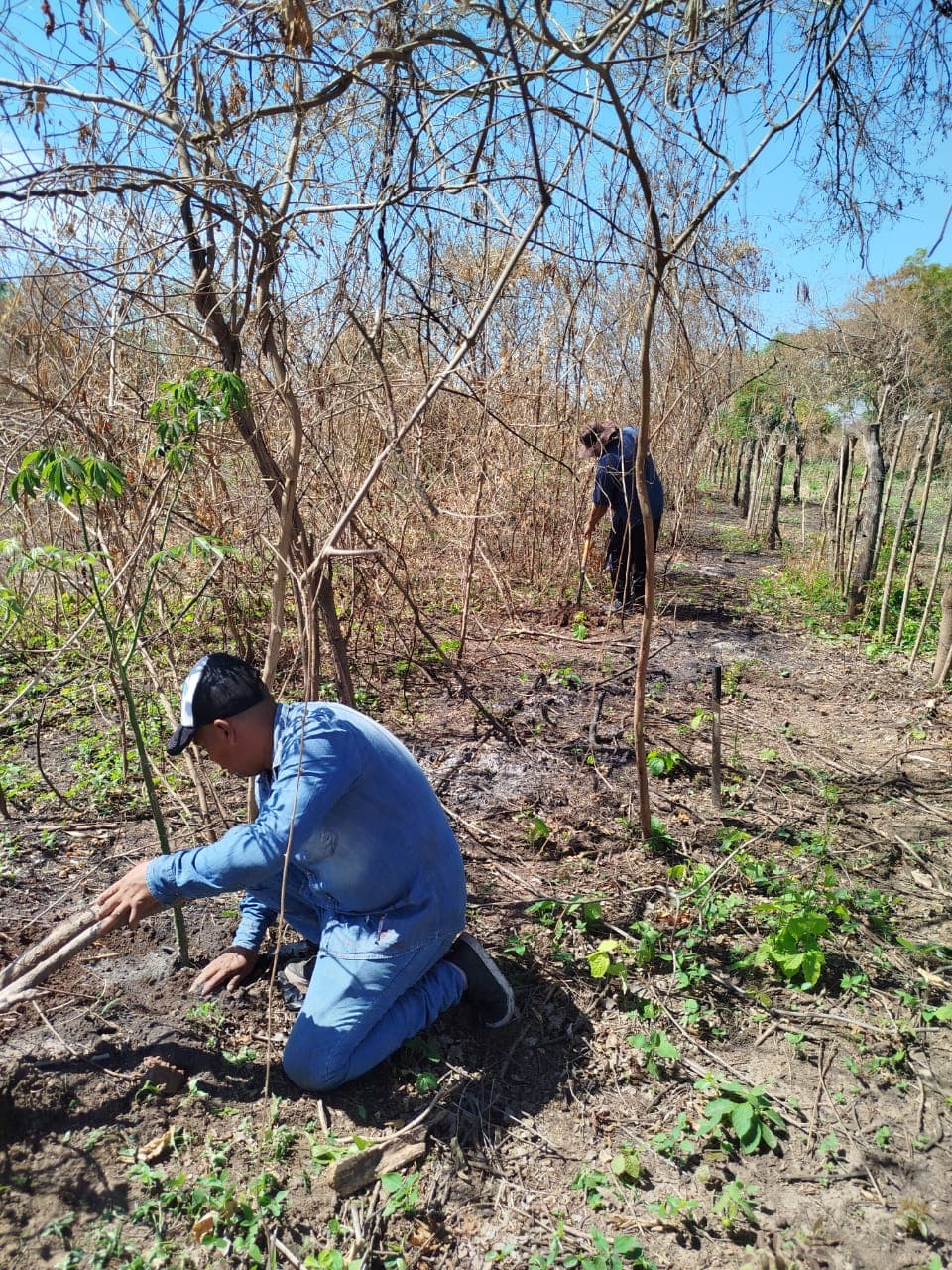
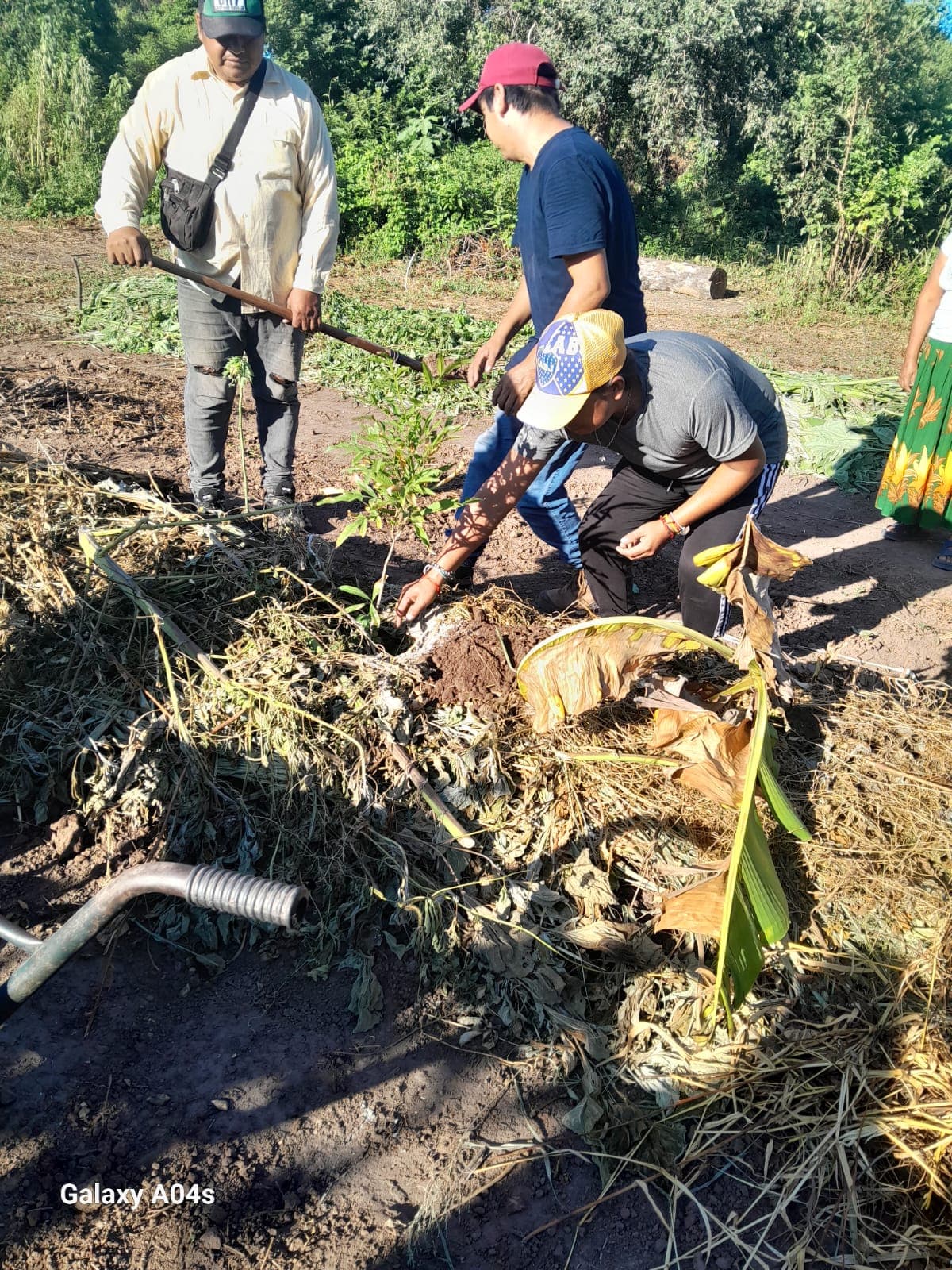
  • The project follows two complementary pillars, co-designed with the communities. Pillar 1 reforests large, now-protected community forests damaged by logging, enriching degraded patches to restore the forest's capacity to feed and sustain the communities who depend on it. Pillar 2, intensive agroforestry, develops multi-strata systems on defined plots at higher productive intensity, combining native and non-native species such as mango, banana, avocado, citrus and moringa with vegetables, legumes and medicinal plants

Socio-economic impact

Socio-economic impact

Socio-economic impact

  • Collaborating with 6 Indigenous communities, reaching 375 families. Every 230 trees funded supports a family of four for one month

  • Community nurseries and field crews create local green jobs across nursery work, planting, maintenance, monitoring and food production

  • Agroforestry increases access to diverse, nutritious foods, addressing malnutrition and health issues caused by forest loss

  • School-age and teenage cohorts learn seed collection, nursery work, food production, plot monitoring and digital skills

  • Women lead nurseries, seed banking and plant-dye/weaving value chains, strengthening income and decision-making

  • FPIC-based governance strengthens Indigenous rights, fair benefit-sharing and intergenerational knowledge transmission

  • Legal support is provided to help communities avoid deforestation, empowering Indigenous families to regain their traditional relationship with the land

  • Guaranteeing the transmission of ancestral knowledge, particularly around environmental knowledge and reforestation

  • The return of traditional medicine, as medicinal plants that had disappeared come back

Ecological impact

Ecological impact

Ecological impact

  • Threatened native species help restore habitat connectivity and biodiversity

  • Planting along riverbanks helps water soak into the ground, reduces the amount of sediment washed into streams, and stabilises slopes in upstream areas

  • Return of varied fauna, including insects, soil micro-organisms and birds

  • The planting model prioritises an irregular native forest structure: multiple tree and shrub species of different ages, a complex vertical structure across strata, and a spatial distribution that emulates the natural patterns of the local ecosystem

  • Restored community forests are protected against logging, safeguarding these ecosystems long term

1 No poverty
2 Zero hunger
4 Quality education
5 Gender equality
6 Clean water and sanitation
8 Decent work and economic growth
10 Reduced inequalities
13 Climate action
15 Life on land

Specific sites

Intensive agroforestry in TOW (Argentina), 2025-2026

This approach complements the large-scale native forest restoration work being carried out in the Territorios Originarios Wichi (TOW), a now-protected community forest in northern Argentina. On a defined plot within this territory, we develop multi-strata agroforestry systems that replicate natural forest structures at higher productive intensity. ...Read more

Intensive agroforestry in QOP (Argentina), 2025-2026

This approach complements the large-scale native forest restoration work being carried out in the Quebracho & Oka Puckie community (QOP), a now-protected community forest in northern Argentina. On a defined plot within this territory, we develop multi-strata agroforestry systems that replicate natural forest structures at higher productive intensit...Read more

Partners