Agroforestry in India

Kolkata, West Bengal
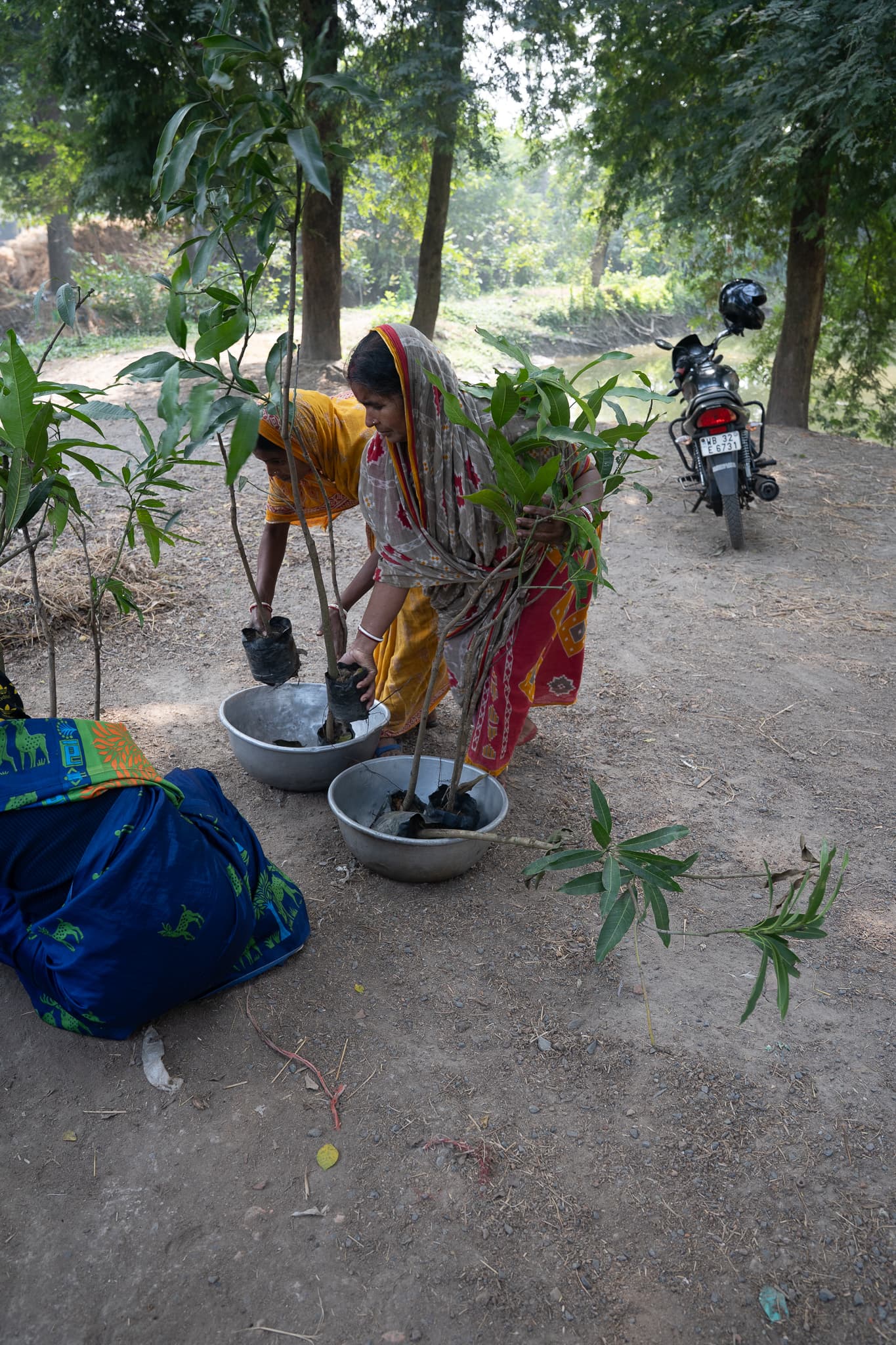
The primary objective of this project, in collaboration with Symagine, is to combat climate change through participatory tree planting, while also preserving threatened biodiversity, building local capacity and awareness around reforestation, and contributing to the local economy and nutrition — indirectly but meaningfully — through these efforts. The project focuses on working with smallholder households in selected districts of West Bengal, India, to plant and maintain primarily fruit-bearing trees through a participatory approach. Local com...Read more
1743
trees planted
2048.72
tonnes of CO₂
absorbed during lifetime

Location

Facts & figures
Operations

Operations

Operations

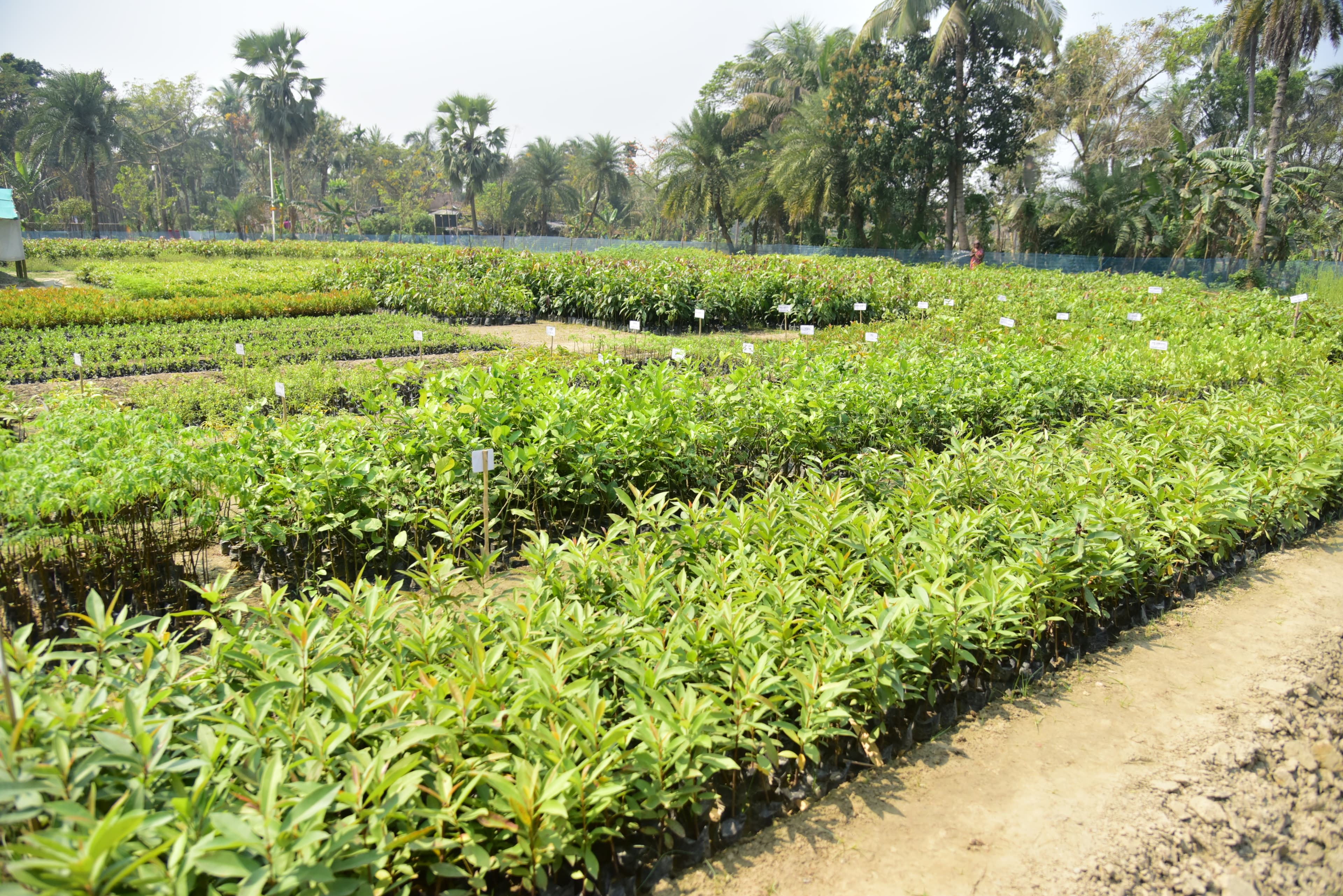
  • The project is operated on the ground by our technical partner Symagine

  • Land ownership: planting sites are mainly owned by individual farming households. Some sites are owned by the government or the community, where members voluntarily take care of the planted trees. Planting on community-owned land mainly serves community engagement purposes

  • The planting season runs from July to November each year

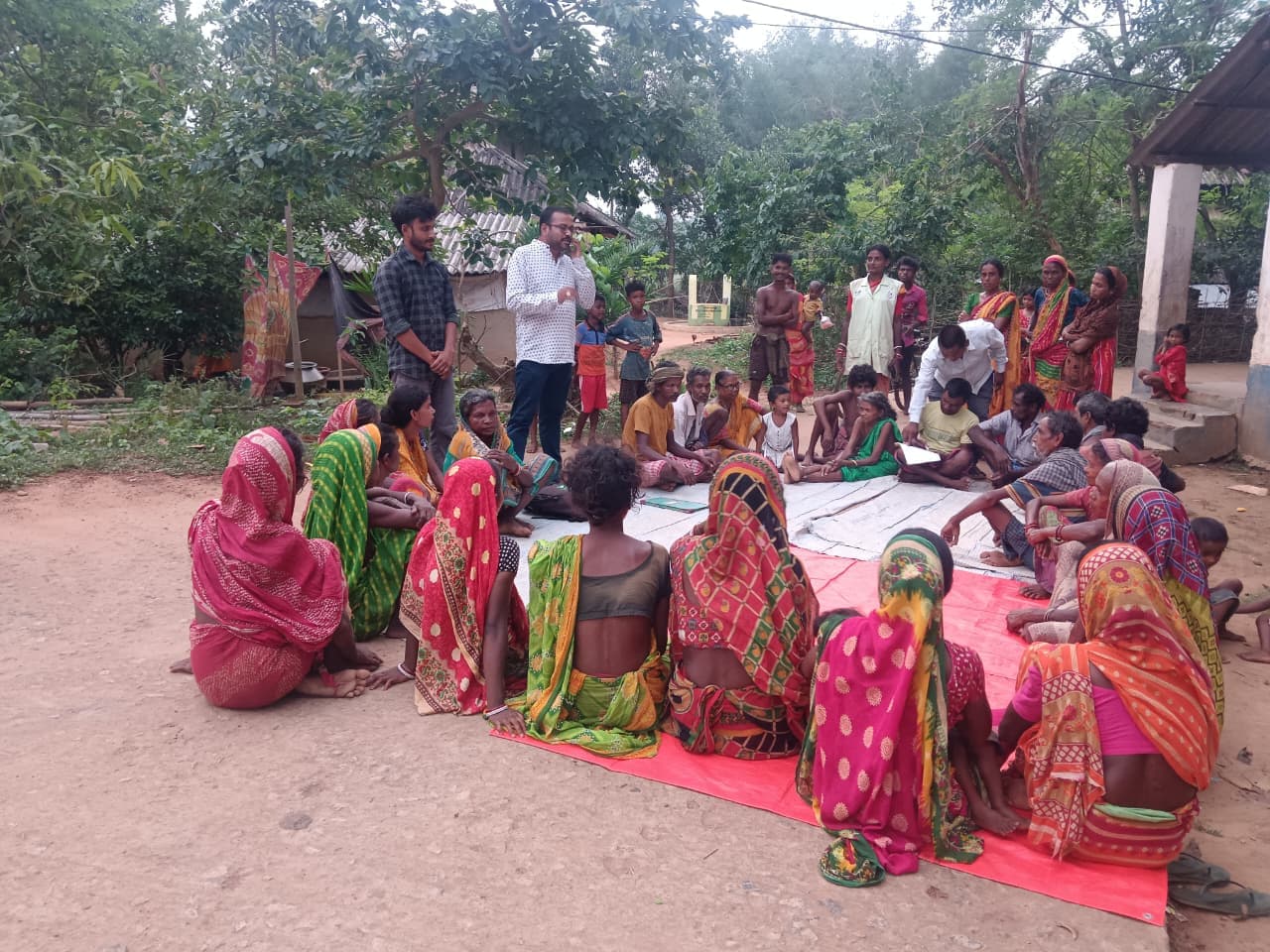
  • A fully participatory approach: communities are involved at every step, from species selection to running local nurseries, planting and long-term maintenance

  • New nurseries are initiated and owned by community members, and existing community-based nurseries have in some instances been revived. While nurseries are owned and run by communities, the team works continuously with them to improve quality and introduce sustainable practices

  • Household training in planting, organic manure use and after-care, alongside regular monitoring visits to track growth, address challenges and keep households engaged

  • Recurring challenges such as water scarcity, livestock damage and poor soil quality are addressed through practical, low-cost solutions: mulching, pitcher irrigation, bamboo fencing, vermicompost and organic pest control

  • Species are selected on suitability to local geography, nutritional value and economic potential, drawing from a catalogue of 19 fruit, medicinal and multipurpose tree varieties

Socio-economic impact

Socio-economic impact

Socio-economic impact

  • The target group largely belongs to the tribal population, facing severe socio-economic challenges including food insecurity and limited livelihood opportunities

  • Fruit-based plantations increase nutritional quality and improve the community's health status, with families receiving between 10 to 20 fruit-bearing trees on average, depending on availability of land

  • A greater number of trees per household positively impacts the local microclimate, resulting in better living conditions

  • Many households experience additional economic benefits: after meeting their own consumption needs, families are able to sell surplus fruit and vegetables on the local market, generating extra income

  • As all nurseries are community-based, their operation has generated revenue for the community, demonstrating the potential for economic upliftment through local nursery operations

  • Building local skills and ownership, thereby creating livelihood opportunities and reducing vulnerability to poverty

Ecological impact

Ecological impact

Ecological impact

  • Restoring degraded soils and barren land through agroforestry, addressing pressures from deforestation and erratic rainfall

  • Long-term carbon capture while helping to prevent soil erosion and improve water retention around households

  • Promoting biodiversity by planting over 9 different native fruit-bearing tree species, protecting habitats for wildlife including birds and insects

  • Safeguarding traditional species such as the Elephant Apple and Indian Black Berry, ensuring their continued presence in the landscape

1 No poverty
2 Zero hunger
13 Climate action
15 Life on land

Specific sites

Agroforestry in Nemai Nagar (India), 2025

In Nemai Nagar village (Jhargram district, West Bengal), our partner Symagine Solutions held meetings with local villagers to identify 20 committed tribal households ready to restore nature through agroforestry. The planting took place during India’s monsoon season (2025), an ideal time for young trees to take root and thrive thanks to abundant rai...Read more

Partners