Agroforestry in India

Chickballapur District of Karnataka
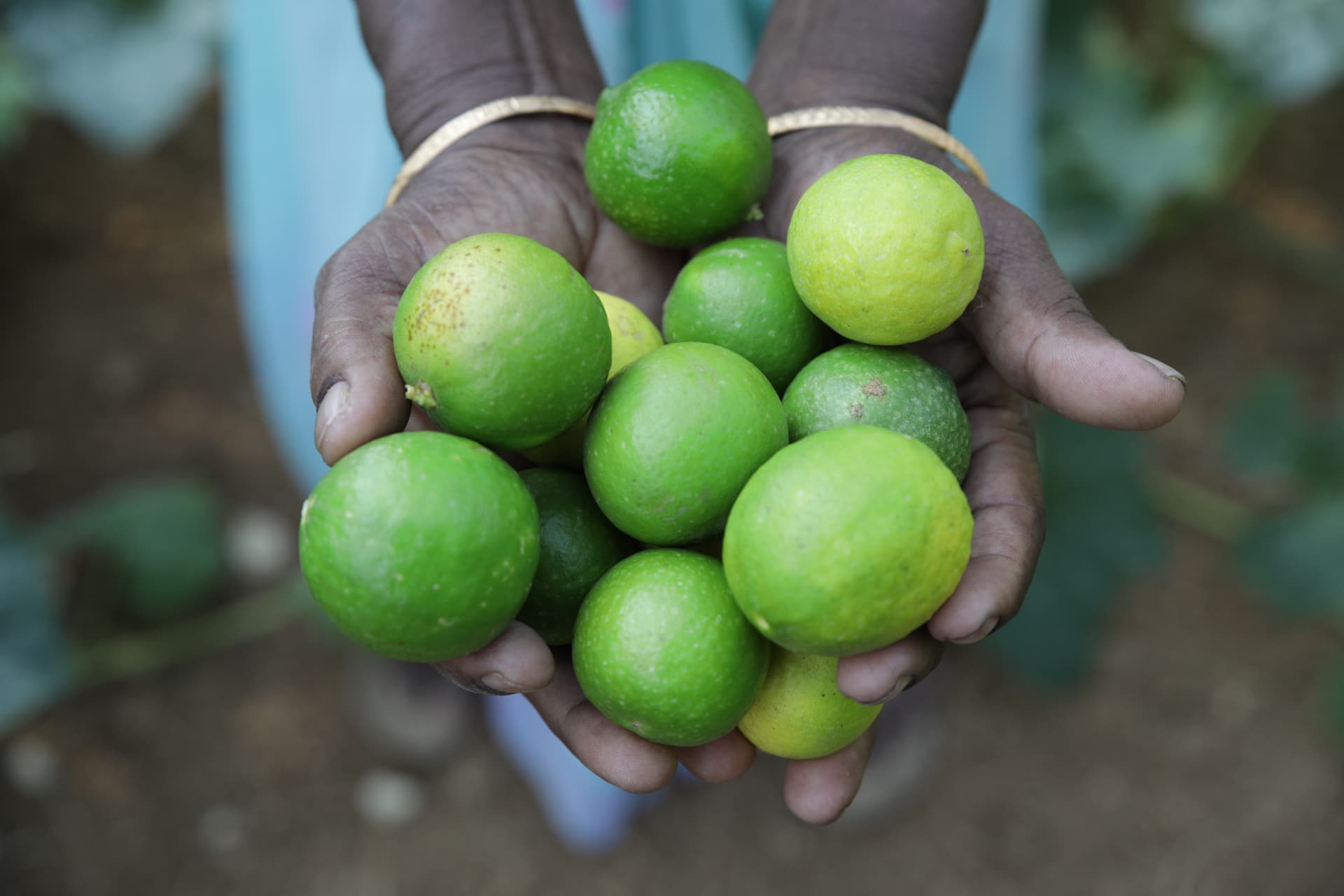
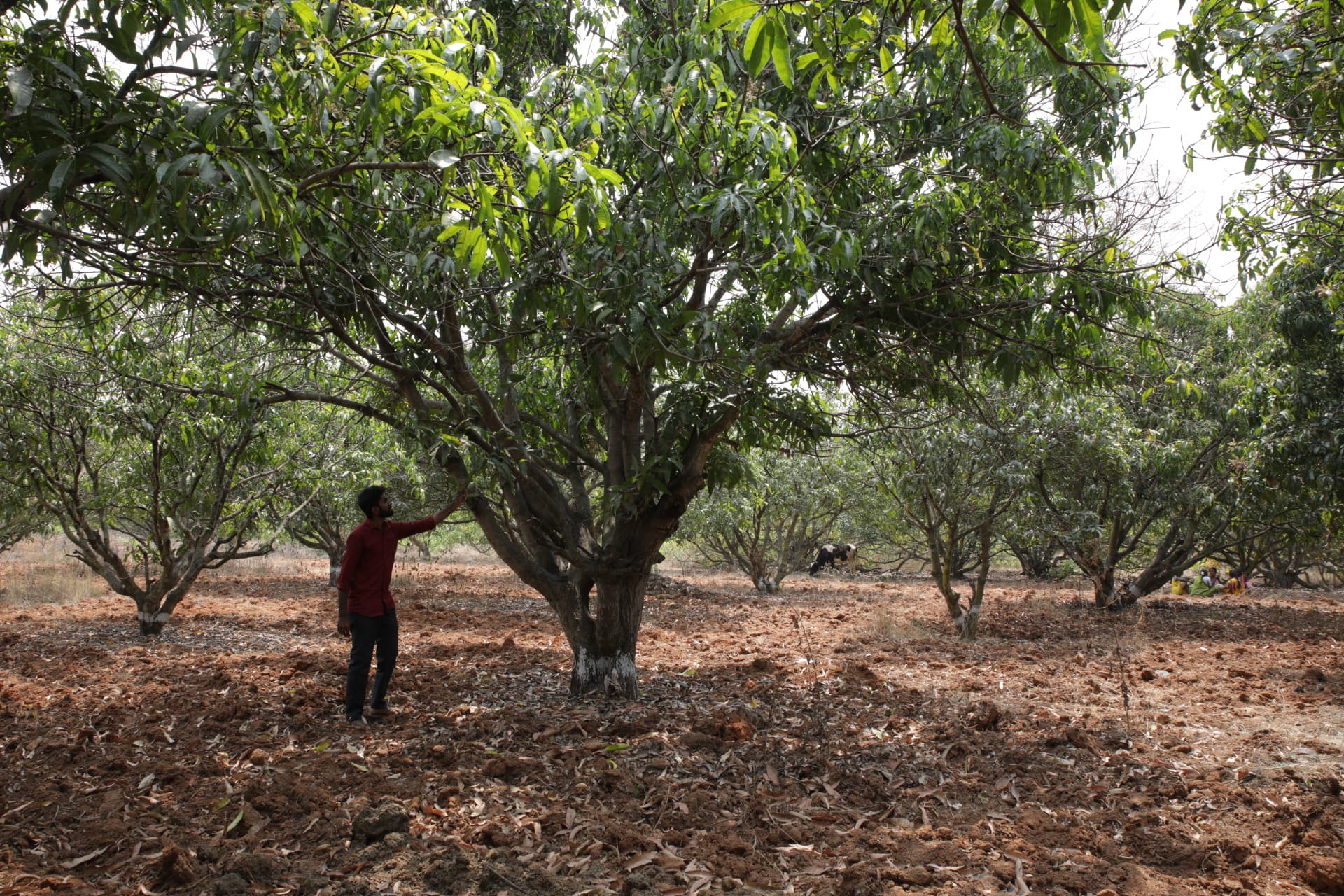
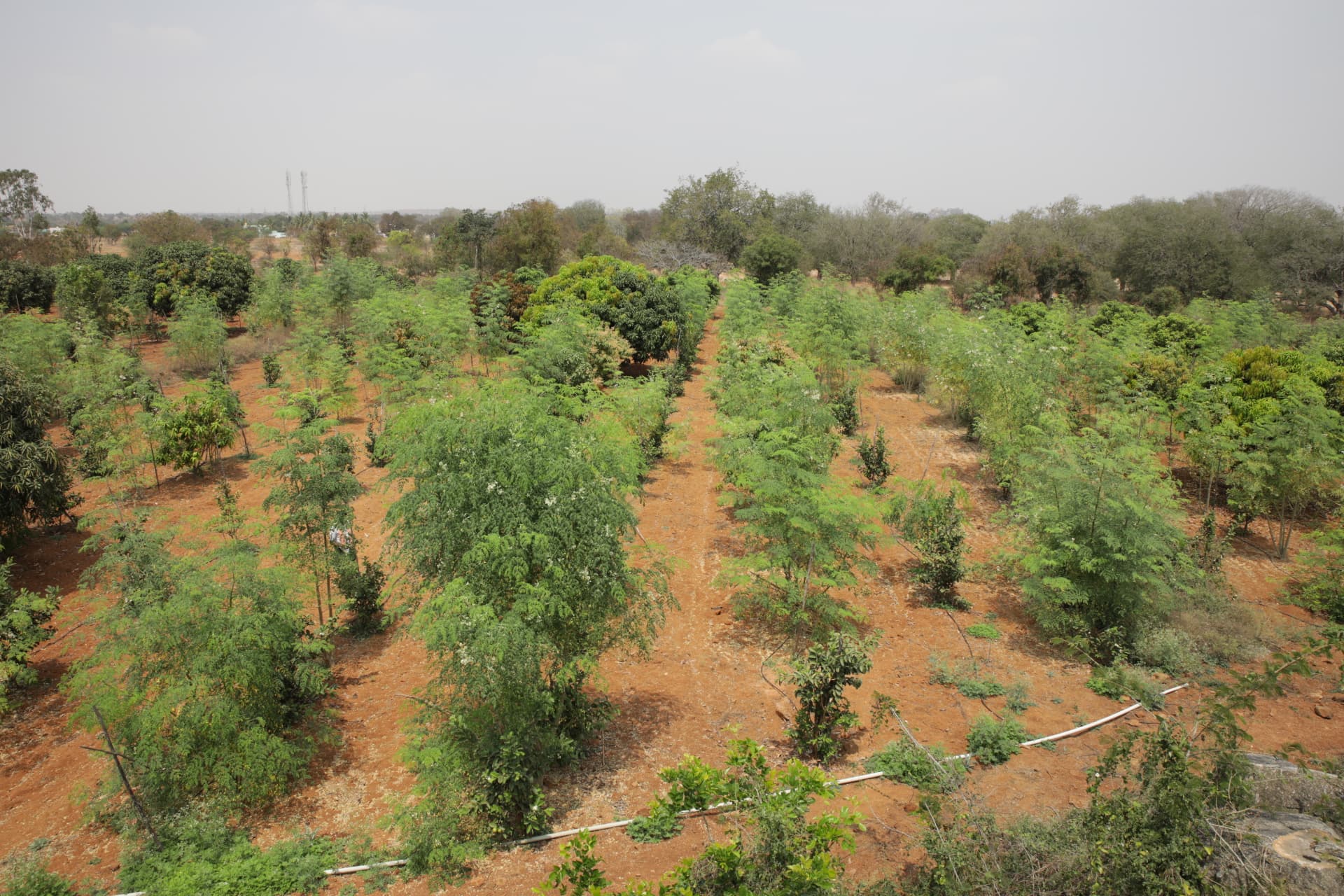
The project's carbon credits are available through both off-take and pre-finance arrangements. This agroforestry project operates under the Gold Standard and focuses on restoring degraded agricultural land in the Chickballapur District of Karnataka, southern India. Across five taluks and 394 villages, the project works with smallholder farmers who own marginal, largely uncultivable land in a semi-arid, drought-prone region facing imminent desertification. The project plants mixed native species, primarily fruit and fodder trees, on privately ...Read more
Certified carboncredits

Location

Facts & figures
Operations

Operations

Operations

  • ARR (Afforestation/Reforestation/Revegetation) project focused on agroforestry

  • Crediting period: 2005 - 2035

  • Gold Standard certified (since 2021)

  • Independent verification by TÜV SÜD and 4K Earth Science

  • Planting season: June - October

  • Located in 5 taluks, 394 villages, Chickballapur District (Karnataka, India)

  • Total project area: 8,933.34 hectares

  • Land owned by marginal farmers. Reforestation takes place only on marginal private lands, with legal title held by individual farmers

  • Monitored via Tristle™ digital in-house monitoring system

  • Field personnel fully trained in data collection and analysis

  • Village volunteers appointed to support project staff and record grievances during village meetings

  • Conservation pursued through community stewardship, contractual agreements, and regular farmer training

  • Participatory approach with FPIC: farmer interviews on planting interest, species preference, and land allocation. Stakeholder meetings with local policymakers, cluster-level group meetings before agreements are signed

  • Local communities trained on forest ecosystem services, supporting long-term plantation maintenance

  • Baseline established through 2008 household surveys (7,537 ha): land records, GPS mapping, field verification. Reviewed periodically during renewal cycles

Socio-economic impact

Socio-economic impact

Socio-economic impact

  • Landlessness reduced from 24% to 7% through secured land rights and financial services

  • Reduced dependence on rainfed annual crops, improving household food availability and climate resilience

  • Food-insecure schoolchildren receive direct food assistance through community interventions

  • 910 village health workers trained and health camps with reproductive health services introduced, improving access to care

  • 62,024 children supported to attend government school through scholarships, tutoring, and dropout re-admission

  • Women's forums create institutional space for decision-making, free from male interference

  • 19,895 women trained as entrepreneurs and environmental service providers, generating independent income

  • 716 single women with children received grants and interest-free loans for income generation

  • Local employment generated across the value chain: nursery work, land preparation, planting, fencing, maintenance, harvesting, and processing

  • Income diversified through fruit fodder production alongside carbon revenue

  • Scaling supported through the Fair Climate Network, sharing methodology and governance models with other NGOs

Ecological impact

Ecological impact

Ecological impact

  • Reforestation of 8,933 hectares of degraded dryland with mixed native tree species

  • Bund planting and mixed-species plots create small protected habitats for local flora and fauna, 81% of smallholders observed increased wildlife on their plot

  • Improved soil moisture conservation and reduced soil erosion

  • Reduced soil loss from runoff, as trees act as natural barriers on hillside plots

  • Contour bunds and trees support groundwater recharge, 51% of farmers reported rainwater now diverted to farm ponds and tanks

  • Drought-resistant, farmer-friendly species improve land productivity and resilience to climate variability

1 No poverty
2 Zero hunger
3 Good health and well-being
4 Quality education
5 Gender equality
13 Climate action
15 Life on land
17 Partnerships for the goals

Partners