Agroforestry in the Democratic Republic of Congo

Ingung Kapia, Democratic Republic of Congo
Go Forest and our field partner, Faja Lobi, work hand in hand with local communities through a bottom-up approach to realise large-scale reforestation projects. Beyond reforestation, our agroforestry initiatives (farming systems rooted in trees and their non-timber products) play a vital role in building lasting relationships with local communities, whose long-term stewardship is essential to the survival of these new forests. By creating a sustainable local economy, agroforestry allows people and nature to thrive together, fostering greater se...Read more
8256
trees planted
2476.80
tonnes of CO₂
absorbed during lifetime

Location

Facts & figures
Socio-economic impact

Socio-economic impact

Socio-economic impact

  • Strong emphasis on sustainable regional development & income generation for local communities

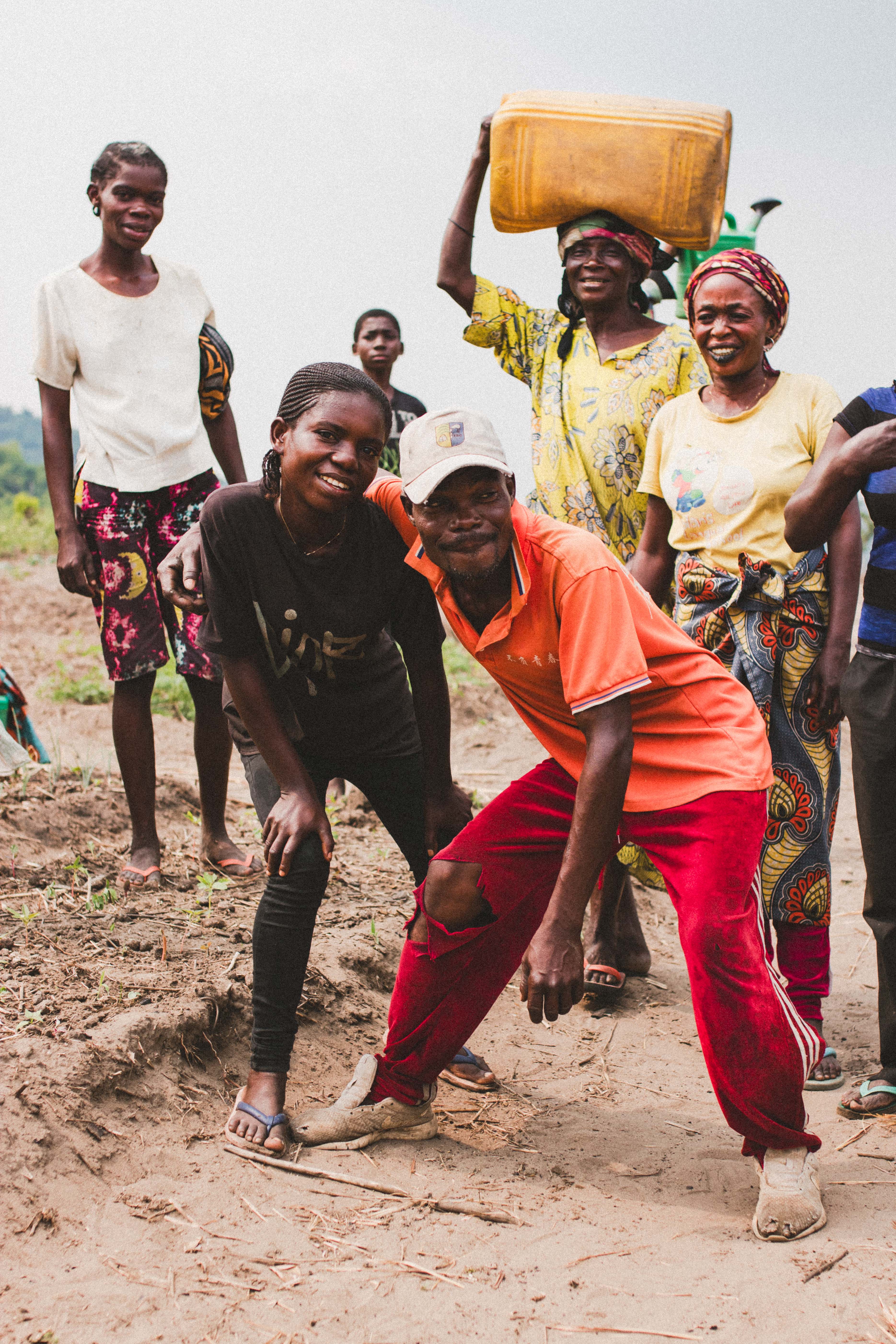
  • Providing decent work opportunities, with an average of 2,500 people employed

  • The local population is involved across all value chains, from A to Z. By being challenged to be entrepreneurial, the motivation behind their actions shifts from day-to-day survival to long-term benefit

  • A zero-deforestation agro-industry, combining charcoal production from biomass manioc with agro-industrial processing of manioc and palm oil, aims to create 5,000 additional sustainable jobs. A micro-electricity plant further supports local energy needs.

  • Quality education supported through scholarships, ICT training and academic partnerships, reaching 8,000 students per year. This includes a university campus, offering 35 scholarships a year, an ICT training center with 30 laptops welcoming school classes and external students, weekly radio sensitization and more than 200 internships annually

  • A botanical garden and visitor center featuring 475 local tree species hosts educational class visits

  • Village communities and clans are formal members of Faja Lobi, ensuring local ownership and representation, with each village having its own women's group.

  • A medical center and diagnostic laboratory have been established to support the local population

  • The economic model also includes poultry and pig farming, fish farming and beekeeping, further diversifying income opportunities for local communities

Operations

Operations

Operations

  • The project is operated on the ground by our technical partner Faja Lobi

  • All activities take place in Idiofa, combining sustainable regional development with the aim of long-term autonomy, in respect for nature

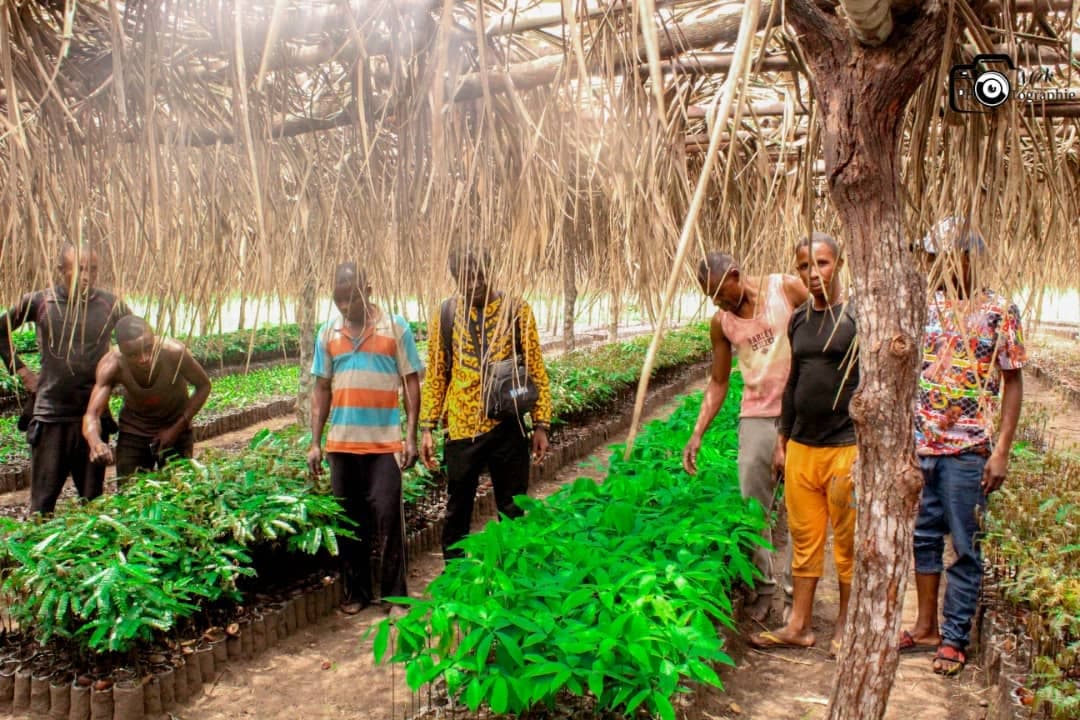
  • Local nurseries have been set up and are run with the local population, supplying saplings for agroforestry

  • Planting season runs from September to May

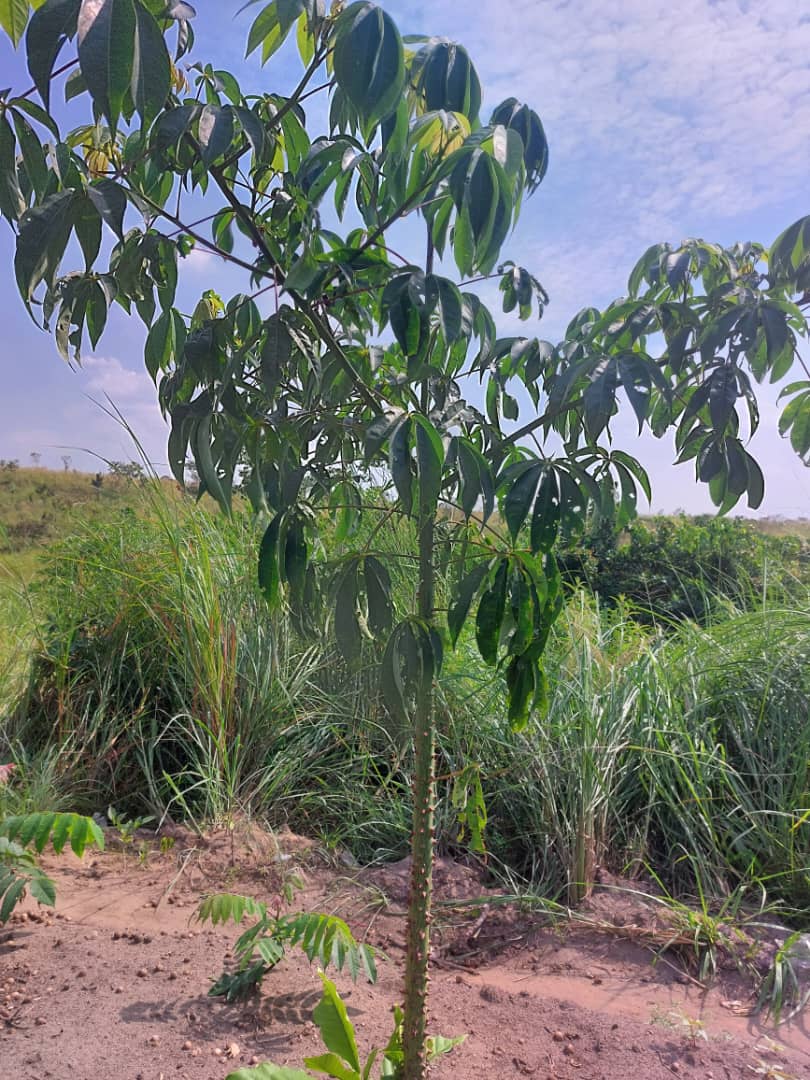
  • Each hectare combines 625 shade-grown coffee plants with 600 native reforestation species, mirroring the natural forest structure, protecting the soil and providing local communities with a diverse and sustainable source of income

  • The agroforestry system spans 500 ha of manioc plantations, 350 ha of coffee and 40 ha of cacao, alongside an innovative research project on fumbwa, agricultural corridors and an ecological palm plantation in the savannah

  • Horticulture, fish farming, livestock and beekeeping activities cover an additional 24 ha

  • Land-use plans are developed for all 24 villages in the project, jointly agreed with local authorities, distinguishing family farming, economic farming, protected forest and existing natural forest

  • Collaboration with universities in Belgium and DRC supports both academic exchange and applied forestry research

Ecological impact

Ecological impact

Ecological impact

  • Agroforestry supports sedentary farming, helping prevent slash-and-burn practices

  • The trees restore biodiversity and prevent desertification in the Idiofa region

  • Biodiversity is increasing markedly, with regular sightings of antelope, squirrels and pangolins, and numerous bird species including the palm-nut vulture, African eagle and Turaco

  • Erosion control measures include dikes, water diversion and cascading retention structures, with grass cover and retention pits helping to slow sand movement and improve water infiltration

  • Fire calendars and regulations are developed jointly with local authorities

  • Long-term vision to restore 50,000 hectares of forest, combined with sustainable socio-economic development and education

1 No poverty
2 Zero hunger
4 Quality education
8 Decent work and economic growth
13 Climate action
15 Life on land
17 Partnerships for the goals

Specific sites

Agroforestry in Ingung Kapia (DRC), 2023-2026

Agroforestry — a farming system based on trees and their non-timber products — plays a key role in building a lasting relationship with local communities, whose involvement is essential to securing the future of the new forests. Close to the reforestation sites in Ingung Kapia, we have established an agroforestry coffee plantation where coffee plan...Read more

Partners