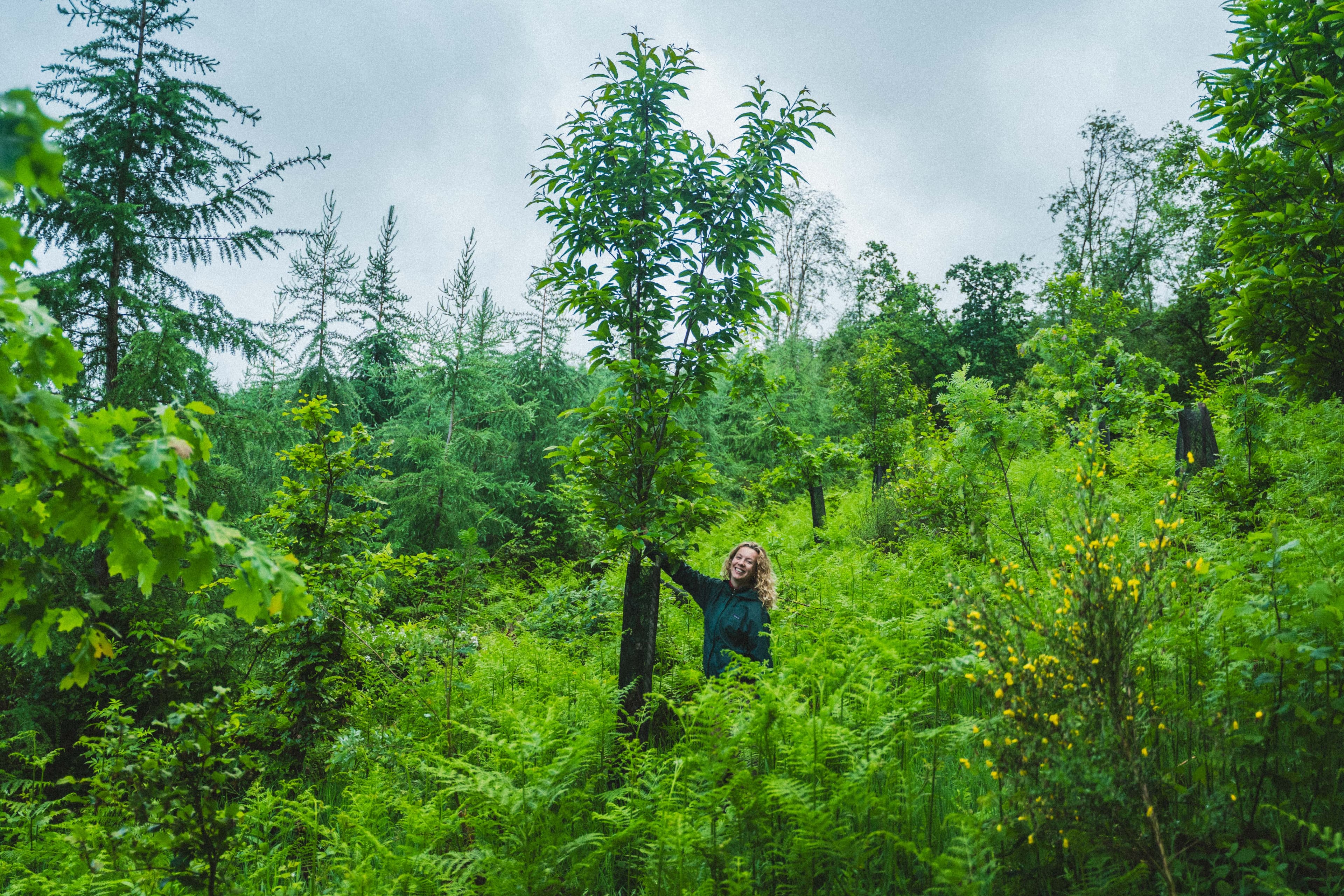
Go Forest expands its efforts beyond planting by contributing to the restoration and conservation of existing forest ecosystems through assisted natural regeneration (ANR), fire prevention and sustainable forest management.
Assisted natural regeneration is a science-based method of forest restoration that helps nature do what it does best: regenerate. ANR supports the spontaneous growth of young trees already present in the forest ecosystem. By removing barriers such as soil erosion, overgrazing or invasive species, we accelerate natural regro...Read more
5
hectares
5
hectares
Location
Facts & figures
Operations
Operations
Ecosystem restoration projects are mainly on private land, with contracts established with landowners regarding planting and follow-up requirements. Sometimes we also plant on public land.
Monitoring by our technical partner is carried out for up to 5 years after planting.
After 5 years, 80% of the target density is ensured, including replanting if needed.
Protection is guaranteed for 30 years. Thinning activities are thoughtfully planned to support forest health and resilience, and this wood can be sold by the landowner as part of responsible forest management. Clearcuts are not permitted within the guaranteed period. We however continue to support forest health and survival well beyond these fixed periods.
Ecological impact
Ecological impact
Regenerate nature by removing barriers such as invasive species, accelerating natural regrowth and strengthening forest resilience
Reduced risk of wildfires, protecting existing forest ecosystems
Enhanced biodiversity and long-term forest resilience
Improved hydrological cycles and groundwater recharge
Reduced soil erosion and land degradation
Partnerships & knowledge
Collaboration with our technical partner Sylva Nova ensures professional, locally adapted project execution. Moreover, our partner has strong ties to universities, strengthening ecological practices through research.
Specific sites
Laurensart project 2025-2027, Belgium
This project aims to restore and future-proof the Laurensart forest through assisted natural regeneration, a sustainable approach that strengthens biodiversity and supports long-term ecosystem health.
Spanning 5 hectares, this project is carefully planned over three years, from 2025 to 2027.
It begins with mapping and inventory work to understand ...Read more
This project aims to restore and future-proof the Laurensart forest through assisted natural regeneration, a sustainable approach that strengthens biodiversity and supports long-term ecosystem health.
Spanning 5 hectares, this project is carefully planned over three years, from 2025 to 2027.
It begins with mapping and inventory work to understand the site' s current condition. In the first phase, targeted thinning and coppice clearing will support the healthiest trees, followed by formative pruning to guide their growth.
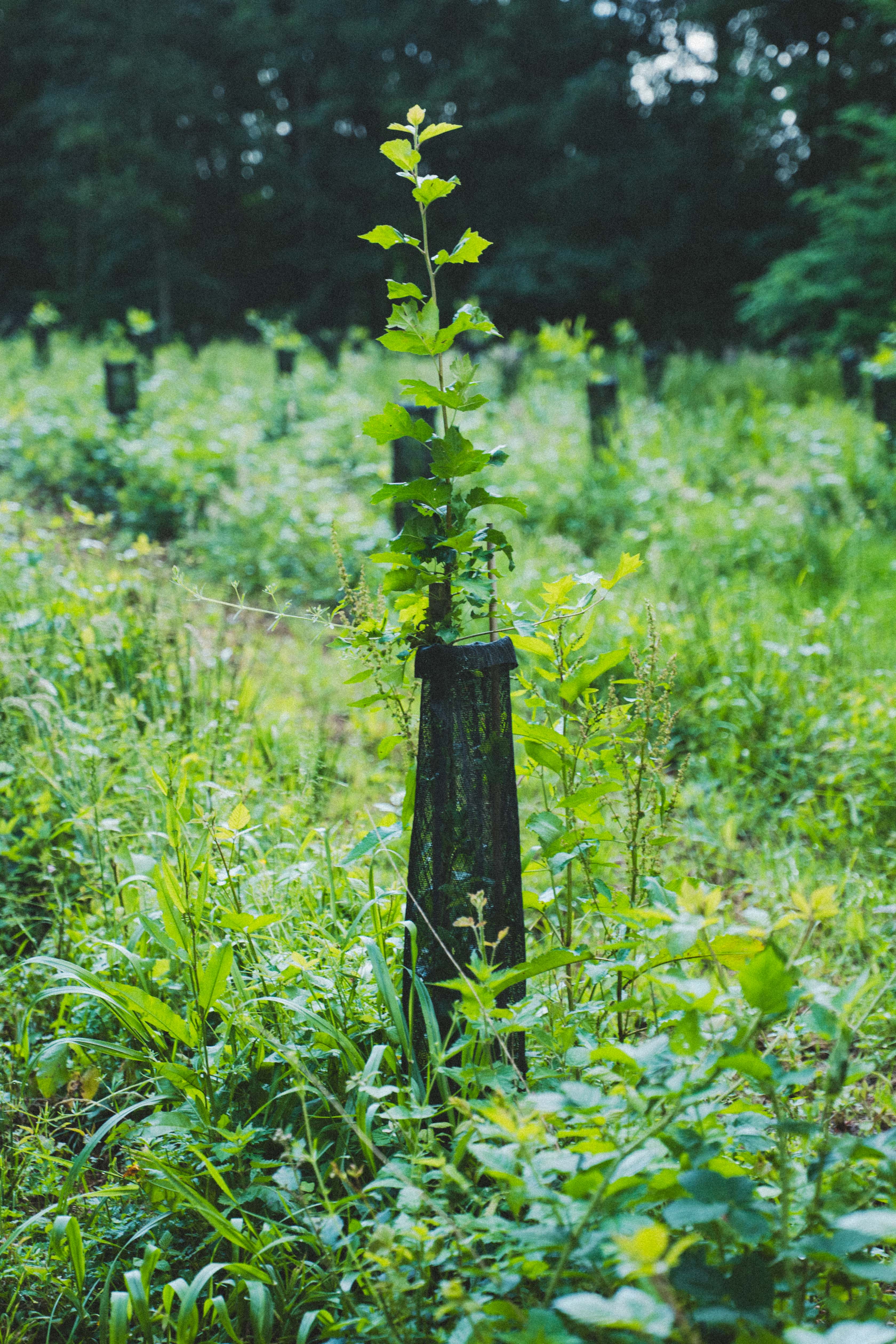
Next, selected areas within dense hazel coppice will be opened to create planting islands, introducing a diverse mix of resilient species. Over the winters and springs, these zones will be enriched with 1300 young trees, protected and maintained to ensure strong establishment. Ongoing monitoring and management will support the forest’s long-term recovery and ecological balance.
* Thinning and coppice clearing:
To encourage natural regeneration, thinning and coppice clearing will be carried out on 2.4 hectares of the forest. Thinning removes low-quality, diseased or competing young trees to free up light and resources for stronger individuals. Coppice clearing targets small trees and spontaneous shoots that won’t contribute to the forest’s long-term structure, reducing density and improving growing conditions for future species.
* Formative pruning
Formative pruning is a crucial silvicultural practice that guides young trees toward balanced growth by removing poorly oriented or competing branches. This operation is especially important in the early stages of tree development, as it helps correct structural imperfections from the start, ensuring greater longevity and stability of forest stands over time. Formative pruning will be carried out on young trees after thinning, once they have been freed from competition.
* Opening planting islands
The hazel coppice, currently very dense in certain parts of the forest stand, requires intervention to facilitate the planting of new species. Small clearings will be created to support the establishment of new species.
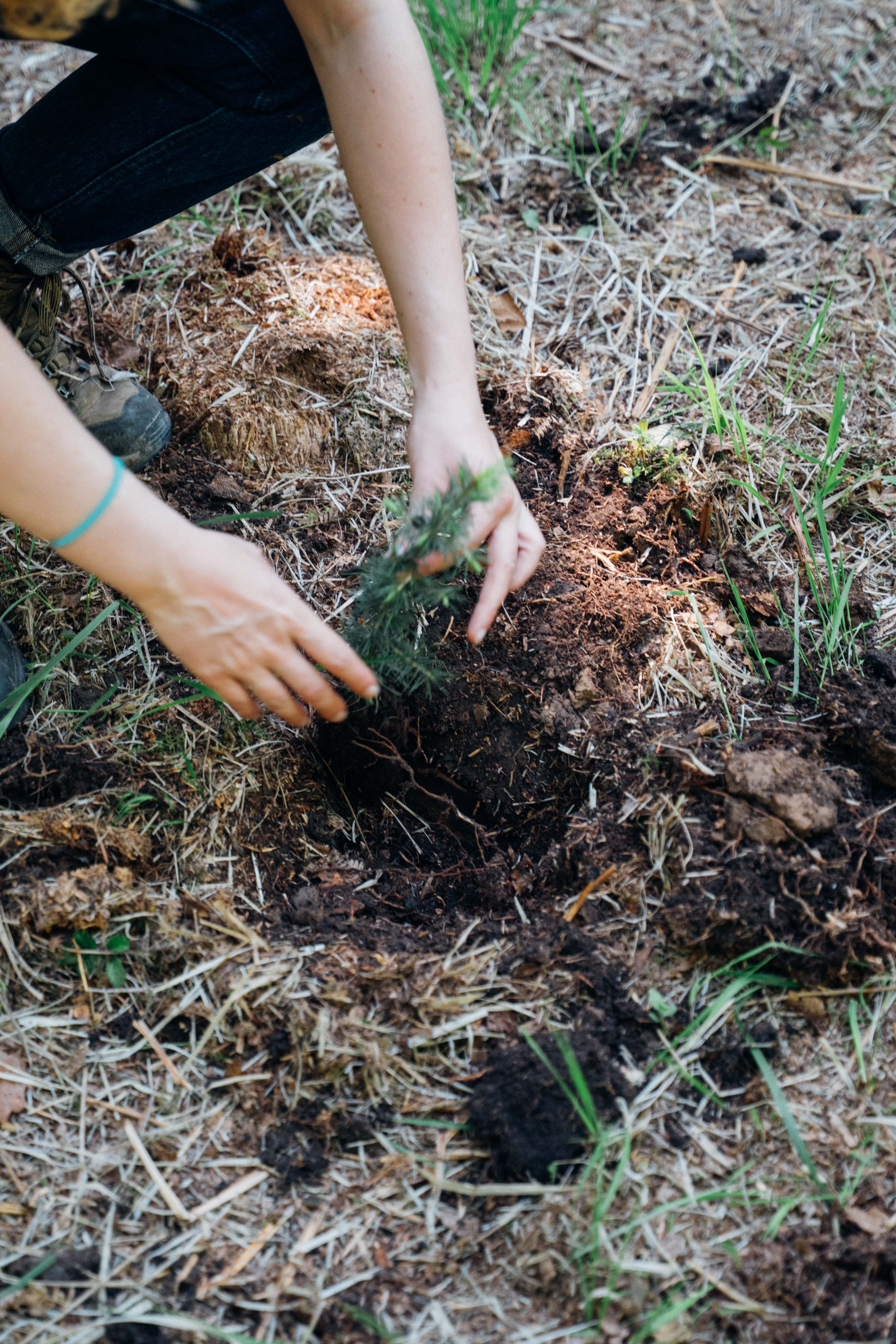
* Planting in open and cleared islands
In total, approximately 1300 trees will be planted across various parts of the parcel. The goal is to enhance the existing stand by introducing adapted species which will strengthen the forest structure.