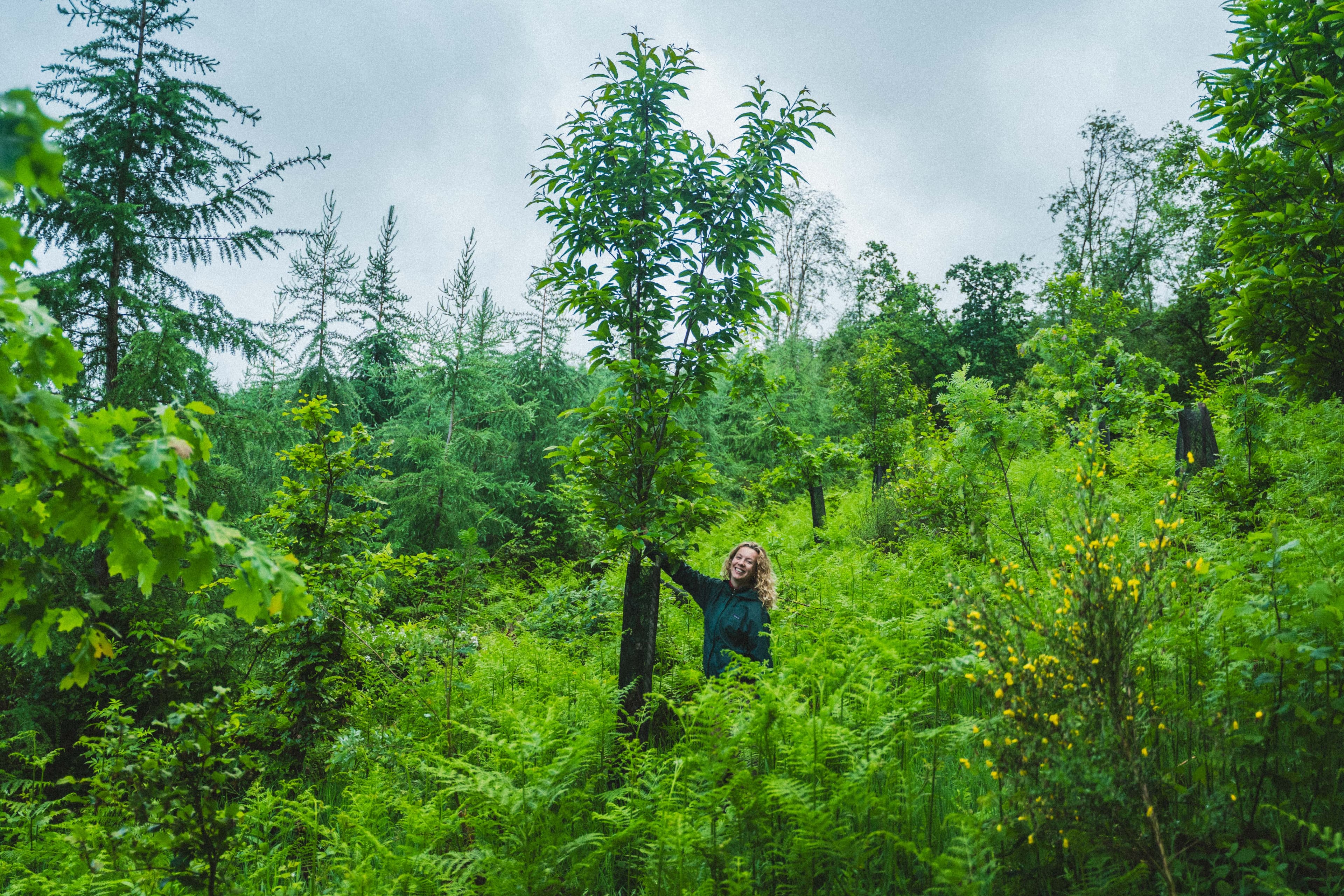
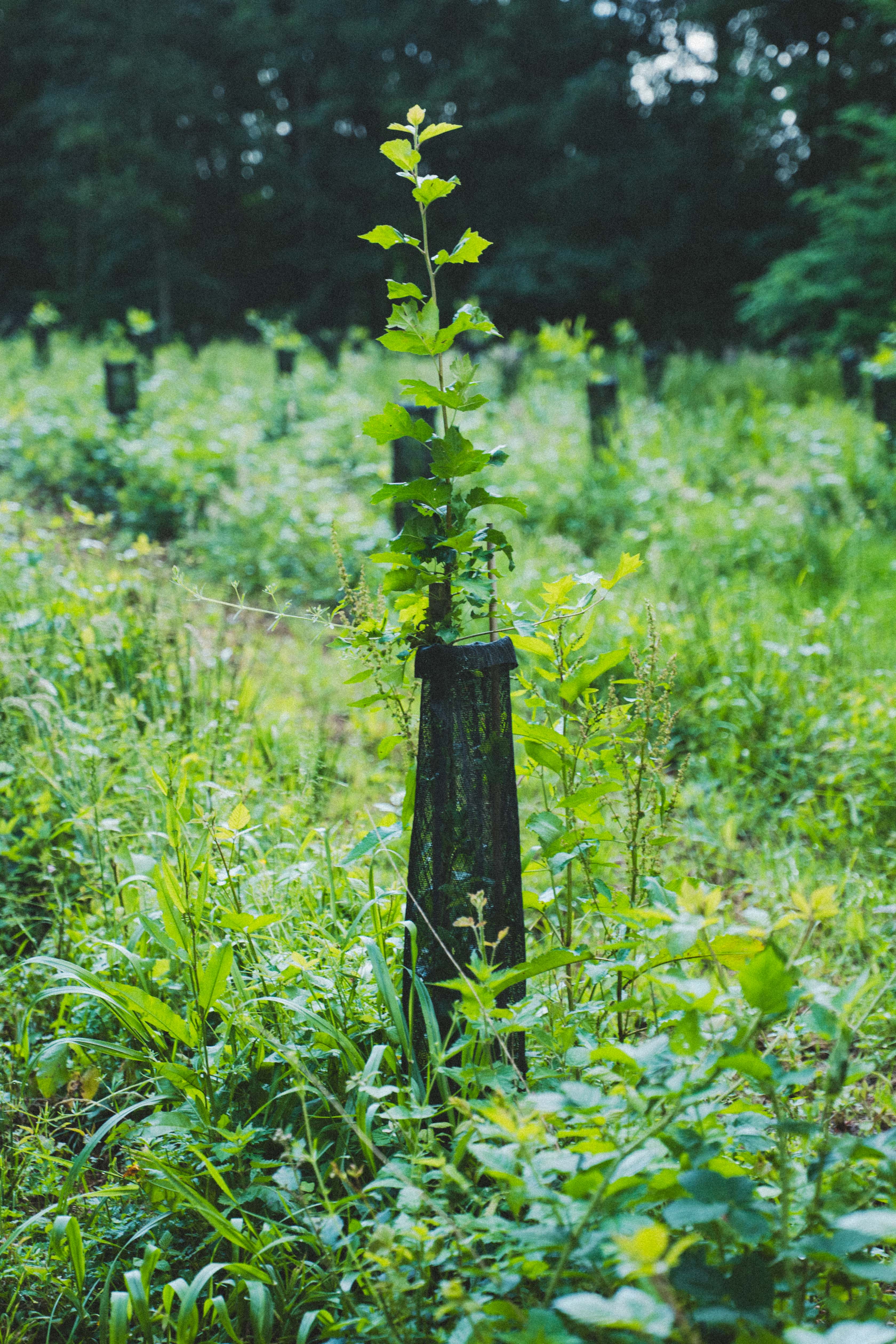
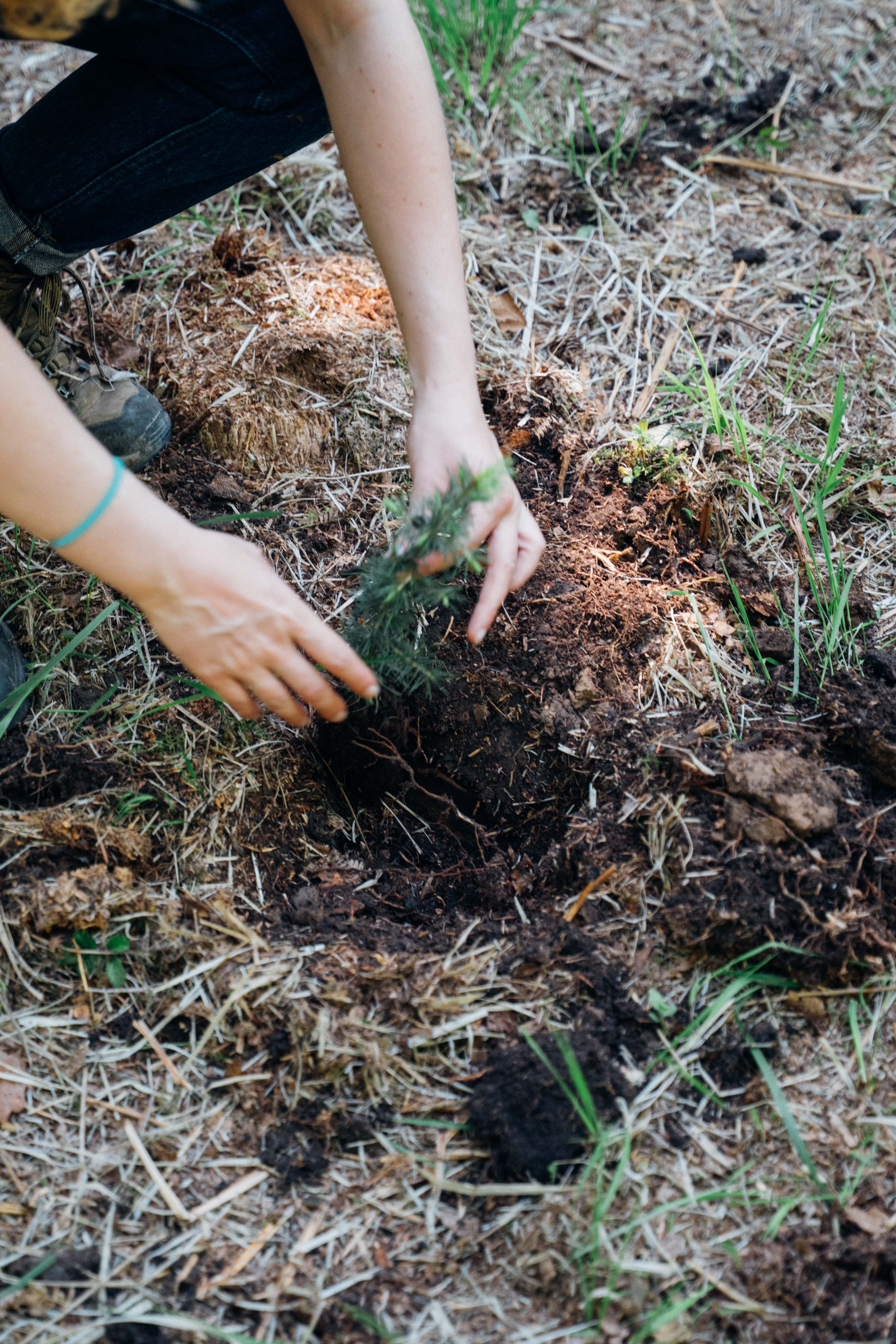
Go Forest expands its efforts beyond planting by contributing to the restoration and conservation of existing forest ecosystems through assisted natural regeneration (ANR), fire prevention and sustainable forest management.
Assisted natural regeneration is a science-based method of forest restoration that helps nature do what it does best: regenerate. ANR supports the spontaneous growth of young trees already present in the forest ecosystem. By removing barriers such as soil erosion, overgrazing or invasive species, we accelerate natural regro...Read more
5.98
hectares
5.98
hectares
Location
Facts & figures
Operations
Operations
Ecosystem restoration projects are mainly on private land, with contracts established with landowners regarding planting and follow-up requirements. Sometimes we also plant on public land.
Monitoring by our technical partner is carried out for up to 5 years after planting.
After 5 years, 80% of the target density is ensured, including replanting if needed.
Protection is guaranteed for 30 years. Thinning activities are thoughtfully planned to support forest health and resilience, and this wood can be sold by the landowner as part of responsible forest management. Clearcuts are not permitted within the guaranteed period. We however continue to support forest health and survival well beyond these fixed periods.
Ecological impact
Ecological impact
Regenerate nature by removing barriers such as invasive species, accelerating natural regrowth and strengthening forest resilience
Reduced risk of wildfires, protecting existing forest ecosystems
Enhanced biodiversity and long-term forest resilience
Improved hydrological cycles and groundwater recharge
Reduced soil erosion and land degradation
Partnerships & knowledge sharing
Collaboration with our technical partner Sylva Nova ensures professional, locally adapted project execution. Moreover, our partner has strong ties to universities, strengthening ecological practices through research.
Specific sites
Dronley Wood project in Scotland, UK 2024-2028
The Dronley Woodland project is a transformative ecological initiative covering 5.98 hectares within the 50-hectare Dronley Community Woodland near Dundee, Scotland. Its goal is to develop a resilient, diverse and site-adapted mixed woodland using assisted natural regeneration (ANR) and underplanting.
ANR is a forest restoration method that encou...Read more
The Dronley Woodland project is a transformative ecological initiative covering 5.98 hectares within the 50-hectare Dronley Community Woodland near Dundee, Scotland. Its goal is to develop a resilient, diverse and site-adapted mixed woodland using assisted natural regeneration (ANR) and underplanting.
ANR is a forest restoration method that encourages the growth of naturally occurring seedlings by protecting them from threats such as browsing animals, competition from invasive species or poor light conditions. Instead of planting trees from scratch, ANR supports the forest’s own ability to regenerate. By taking active measures such as selective thinning, fencing and soil improvement, it creates favorable conditions for seedlings to establish and thrive.
In Dronley:
· Light thinning will remove invasive and unhealthy trees, opening up the canopy and creating favorable conditions for regeneration.
· ANR is expected to result in approximately 2392 new trees, with a minimum stocking density of 400 trees per hectare by year five, in line with Scottish Government guidelines.
· In addition, around 3108 trees will be manually planted in the gaps created by thinning, using a mix of shade-tolerant broadleaved species.
The project aims to restructure the woodland into a thriving site-adapted mixed forest that enhances biodiversity, strengthens resilience to climate stressors and safeguards vital ecosystem services.
It also serves as a pilot for educational outreach and community engagement, offering a living example of ecological transformation and inspiring other woodland owners to adopt Continuous Cover Forestry principles.