Mangroves in Madagascar
Madagascar, Majunga
Mangroves are an important piece of the ecosystem that offers much more than we can imagine. From being a great habitat for wildlife species, being great protection for coasts, and bringing an economical added value to the local population, it also is one of the greatest sources of carbon sequestration.
The total area of mangrove forest in Madagascar covers about 20% of African mangroves and 2% of the world's mangroves. However, the mangrove forests of Bombetoka Bay suffered a 34% loss between 1990 and 2000 (Report on the state of mangroves in...Read more
trees planted
tonnes of CO₂
absorbed during lifetime
absorbed during lifetime
trees planted
tonnes of CO₂
absorbed during lifetime
absorbed during lifetime
Location
Facts & figures
)
)
)
)
)
Specific sites
Mangrove plantation in Majunga, April 2025
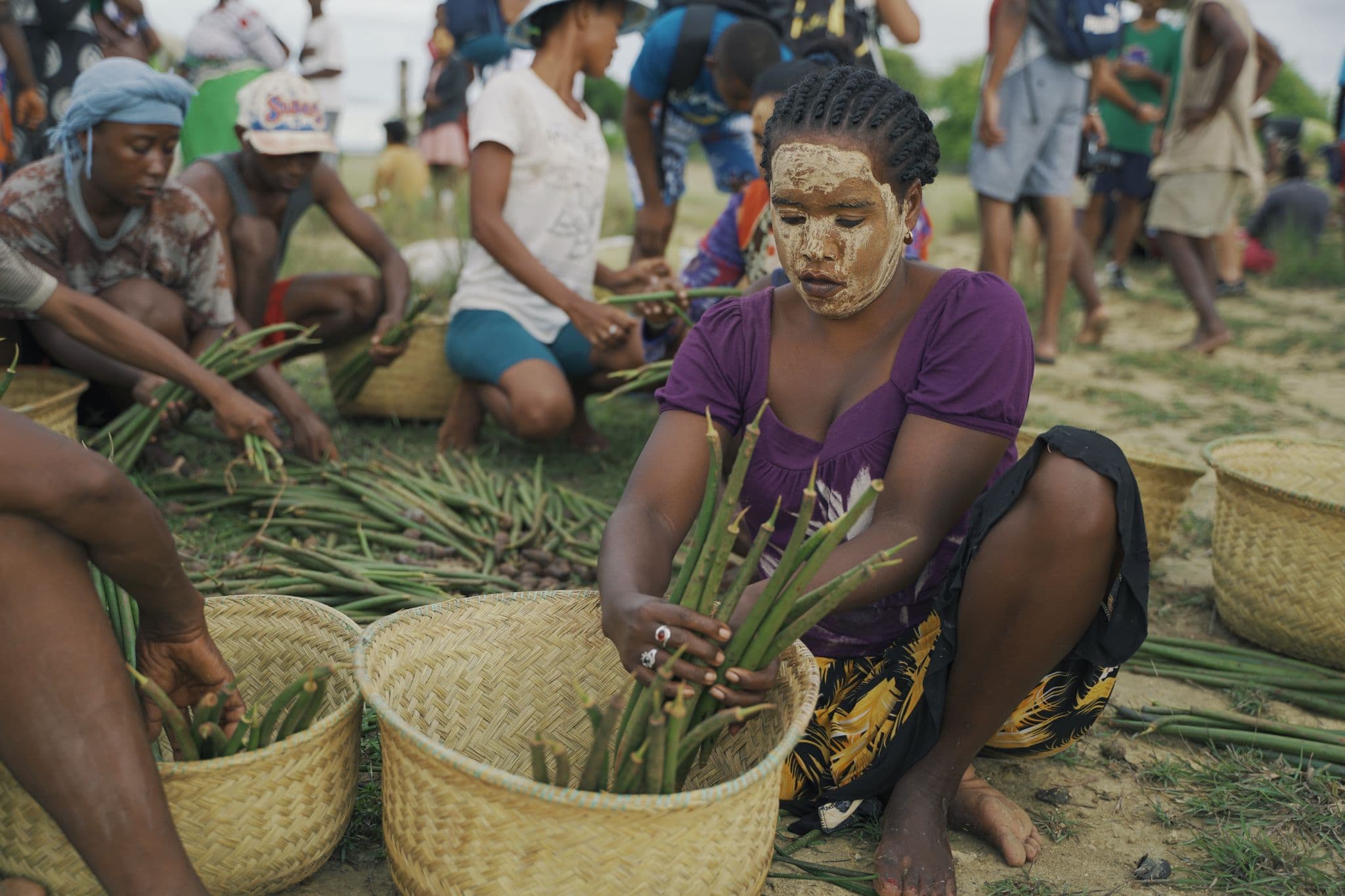
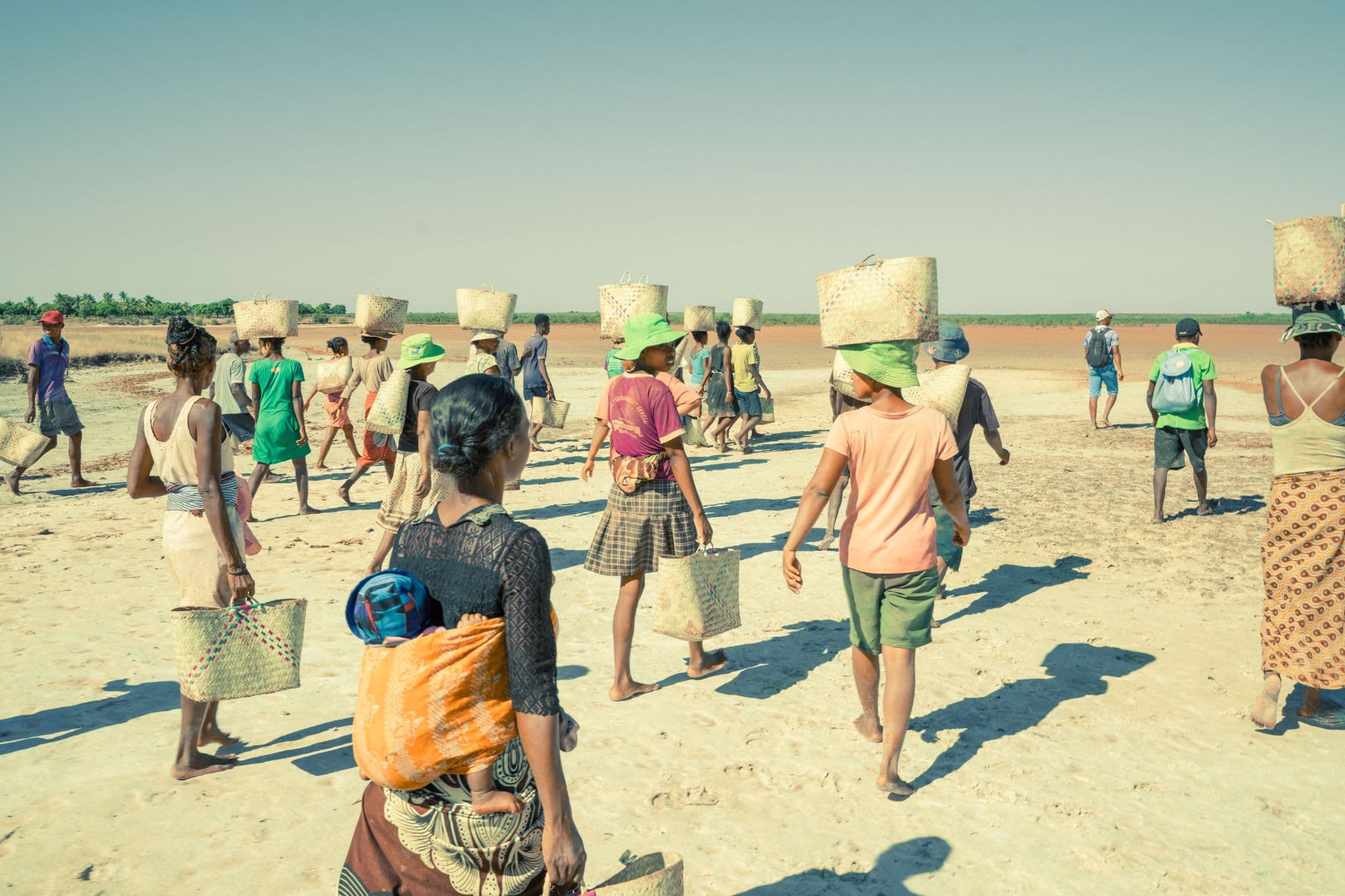
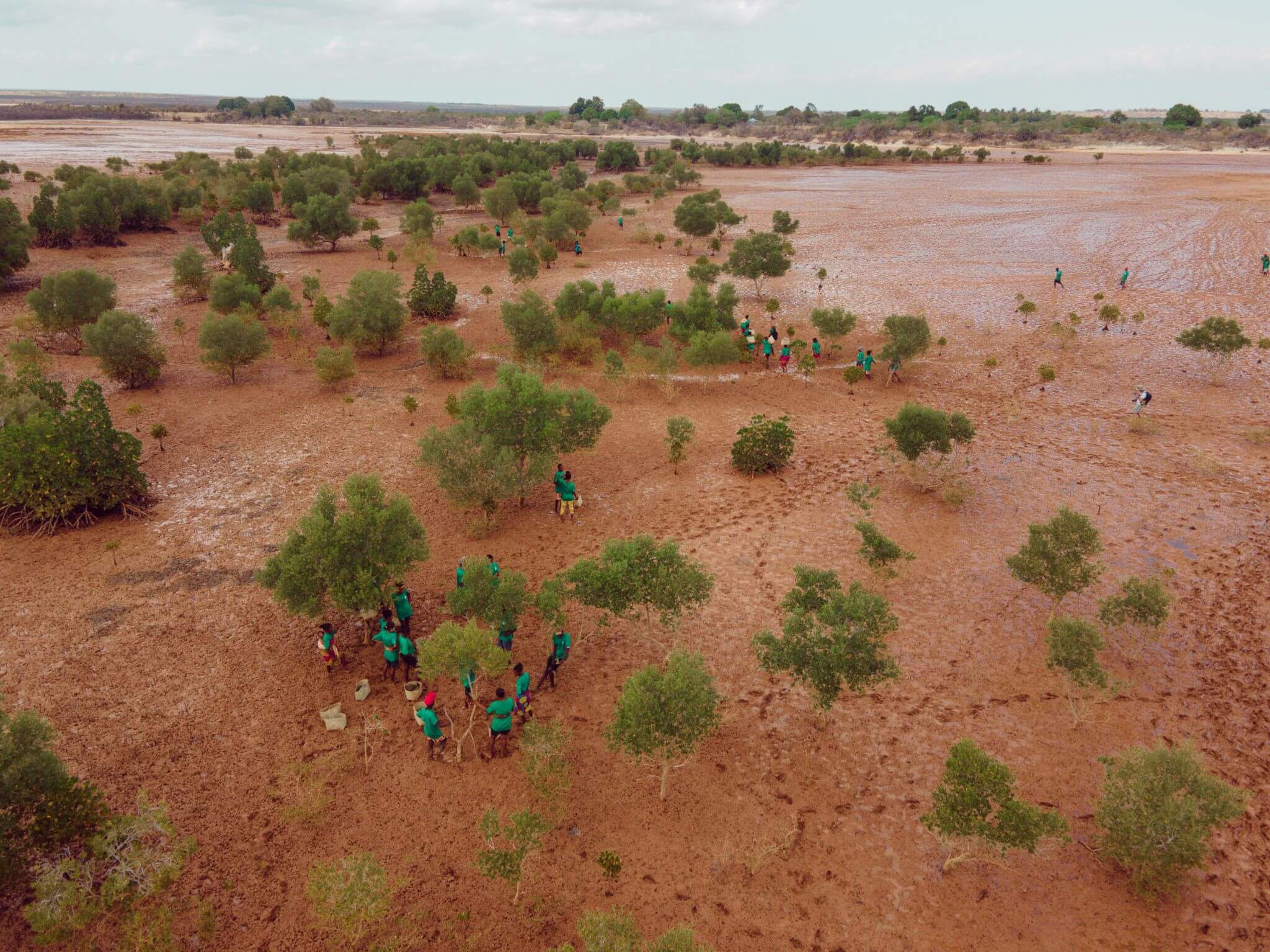
On three sites (1.58 ha, 1.48 ha & 0.34 ha), in the Bombetoka Bay located in the North-West of Madagascar, more specifically in the village of Amparemahintsy (Belobaka municipality, Boeny), we're planting new mangrove trees to restore the mangrove forest.
In April 2025, 22.104 mangrove trees of two species were planted here: Ceriops tagal and Rhi...Read more
Mangroves in Majunga, 2023
Mangroves are an important piece of the ecosystem that offers much more than we can imagine. Besides being a great habitat for wildlife species and being great protection for coasts, it also is one of the greatest sources of carbon sequestration. Moreover, the mangroves provide spawning grounds for shrimps, crabs, and fish, supporting the local eco...Read more