Reforestation in Argentina

Gran Chaco, Argentina
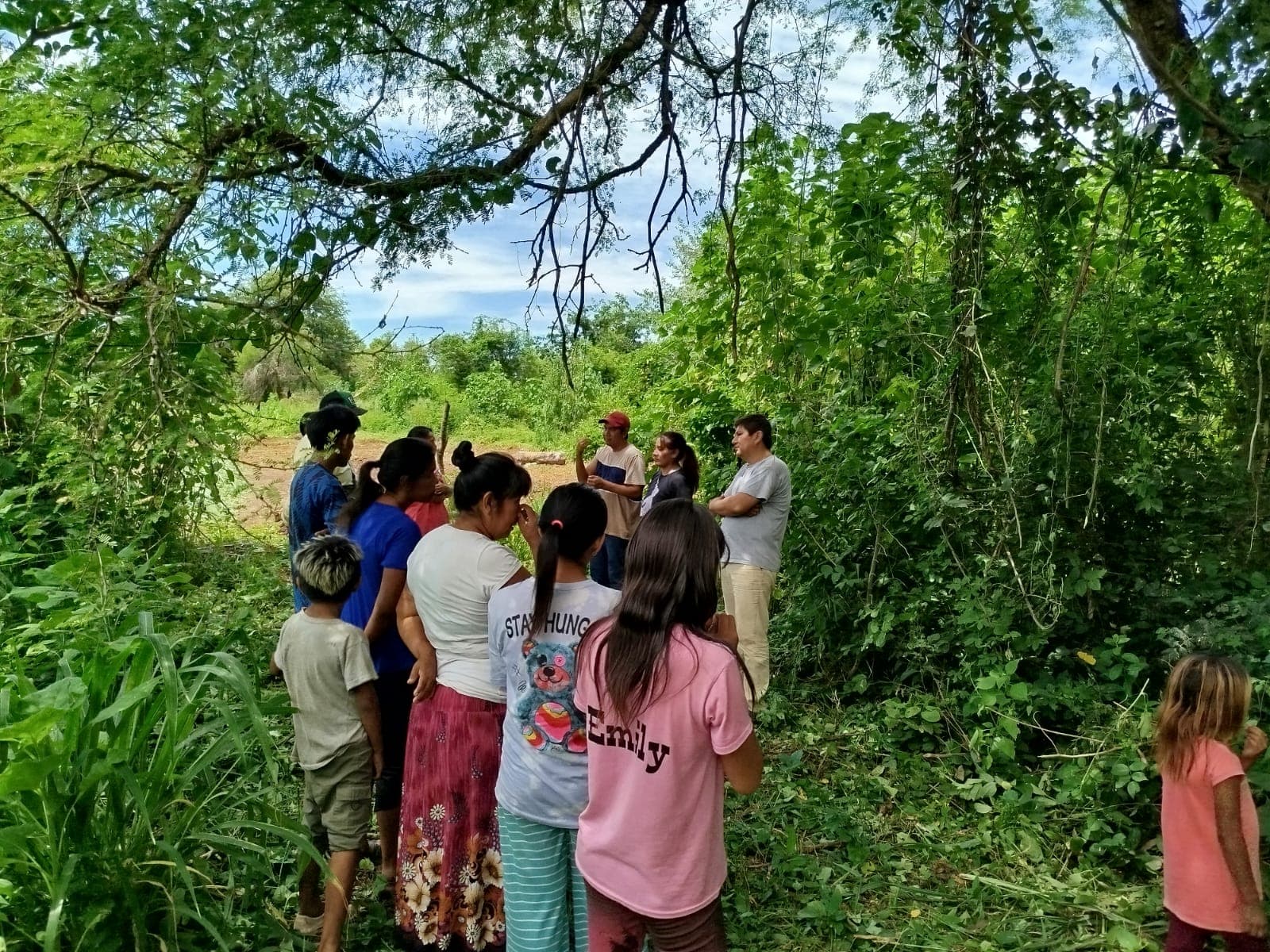
Mother’s Womb is a biocultural reforestation initiative in the Argentine Gran Chaco that combines ancestral Indigenous knowledge with scientific research to restore degraded ecosystems and strengthen community resilience. Developed in collaboration with the Wichi people, the project restores 48 hectares of forest severely affected by deforestation. Over the past two decades, more than a quarter of the Gran Chaco has been cleared, largely driven by large-scale soy and beef production. This rapid transformation has disrupted ecosystems, biodiver...Read more
50
sqm of forest planted
2.00
tonnes of CO₂
absorbed during lifetime

Location

Facts & figures
Operations

Operations

Operations

  • The project is operated on the ground by our technical partner Alianza Wichi

  • The "Mother's Womb" technique is an ancient Indigenous method, developed by the local Wichi community, combining Indigenous wisdom with modern scientific research

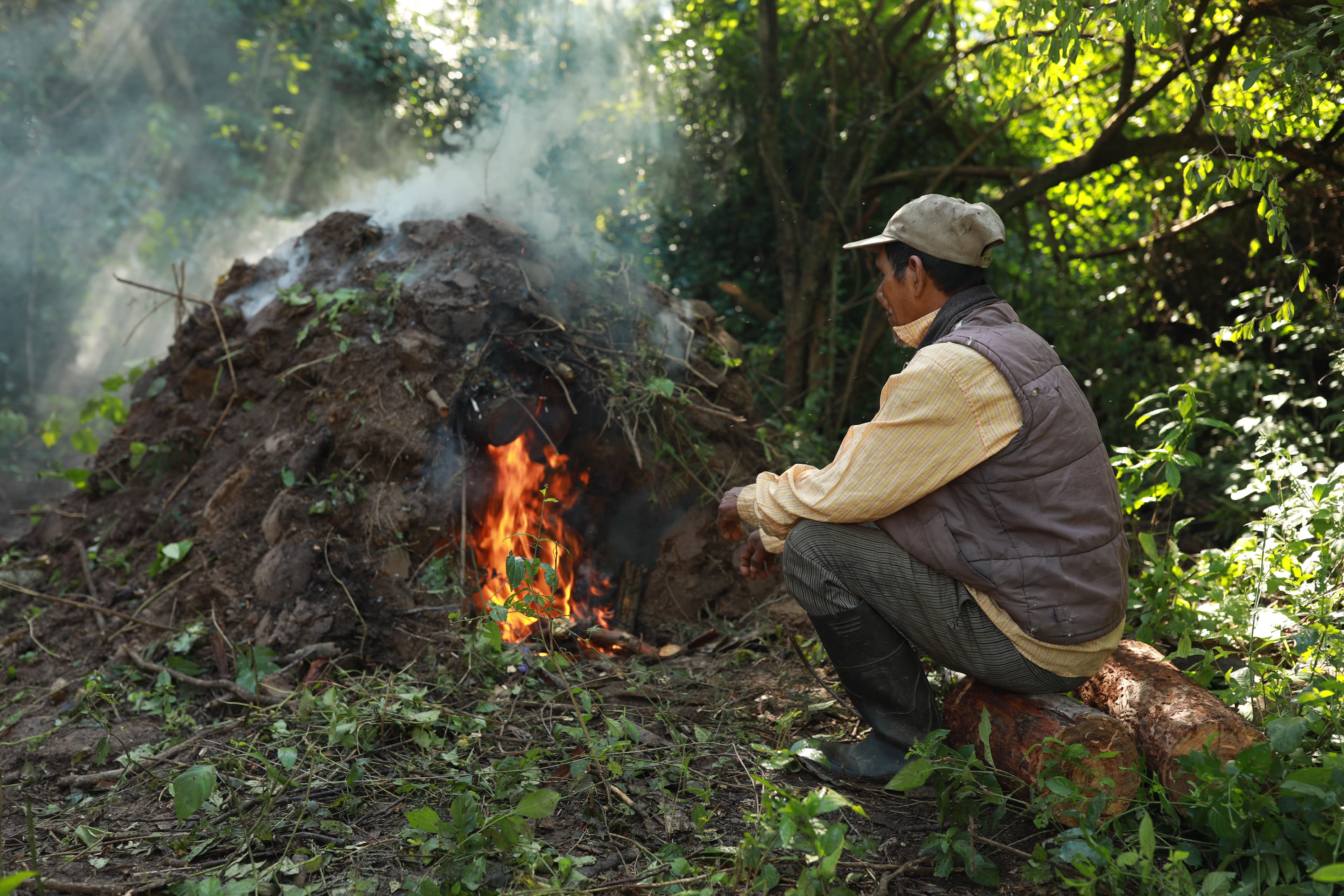
  • Mounds are built using seeds, organic matter, biochar, mycelium and forest microbiology, harnessing natural forces to rejuvenate depleted landscapes

  • These mounds undergo controlled combustion for 80 days, releasing seeds and enriched soil to regenerate the land, with minimal human interference and a high survival rate

  • Developed in close collaboration with Indigenous leaders over the past three years, alongside a research center built in partnership with a university to study ancestral knowledge and techniques

  • Beyond ecological restoration, the method safeguards Indigenous cultural legacies, preserving ancient wisdom for future generations

Socio-economic impact

Socio-economic impact

Socio-economic impact

  • Collaborating with 6 Indigenous communities, reaching 375 families

  • A school for ancestral knowledge supports transmission to younger generations, with unique knowledge shared more widely through online courses

  • Legal defence of the territory supports reclamation of land by local communities

  • A research center, developed with a university, studies ancestral knowledge and techniques and hosts internships and training for students and experts

  • Economic opportunities created through restoration activities, training and knowledge-based employment, contributing to poverty reduction and long-term livelihood resilience

  • Strengthening Indigenous leadership and territorial rights, helping reduce structural inequalities

  • The return of traditional medicine, as medicinal plants that had disappeared come back

Ecological impact

Ecological impact

Ecological impact

  • Indigenous enrichment of forests through a slow-burn seeding technique

  • Restoration of indigenous forest and living territory for several hundred Indigenous people

  • Planting along riverbanks helps water soak into the ground, reduces the amount of sediment washed into streams, and stabilises slopes in upstream areas

  • Return of varied fauna, including insects, soil micro-organisms and birds

  • Restored community forests are protected against logging, safeguarding these ecosystems long term

1 No poverty
2 Zero hunger
4 Quality education
5 Gender equality
6 Clean water and sanitation
8 Decent work and economic growth
10 Reduced inequalities
13 Climate action
15 Life on land

Specific sites

Reforestation in Argentina, to be planted in 2026

Developed in collaboration with the Wichi people, this project restores 48 hectares of forest severely affected by deforestation. The method builds on the regenerative power of native seeds, organic matter, biochar, mycelium and soil microbiology. Soil is carefully collected from beneath a "mother tree," where microbial life and seed density are na...Read more

Partners