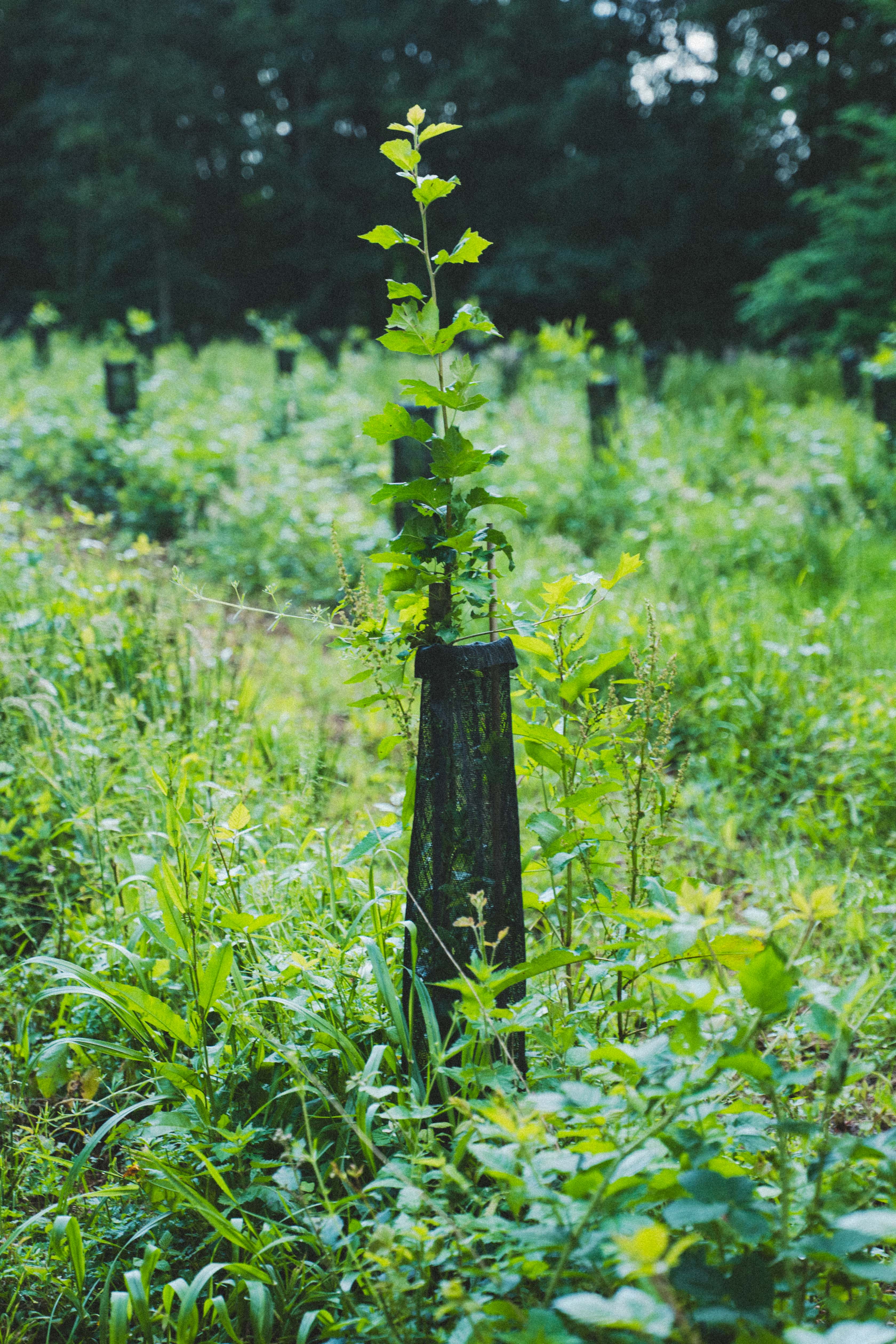
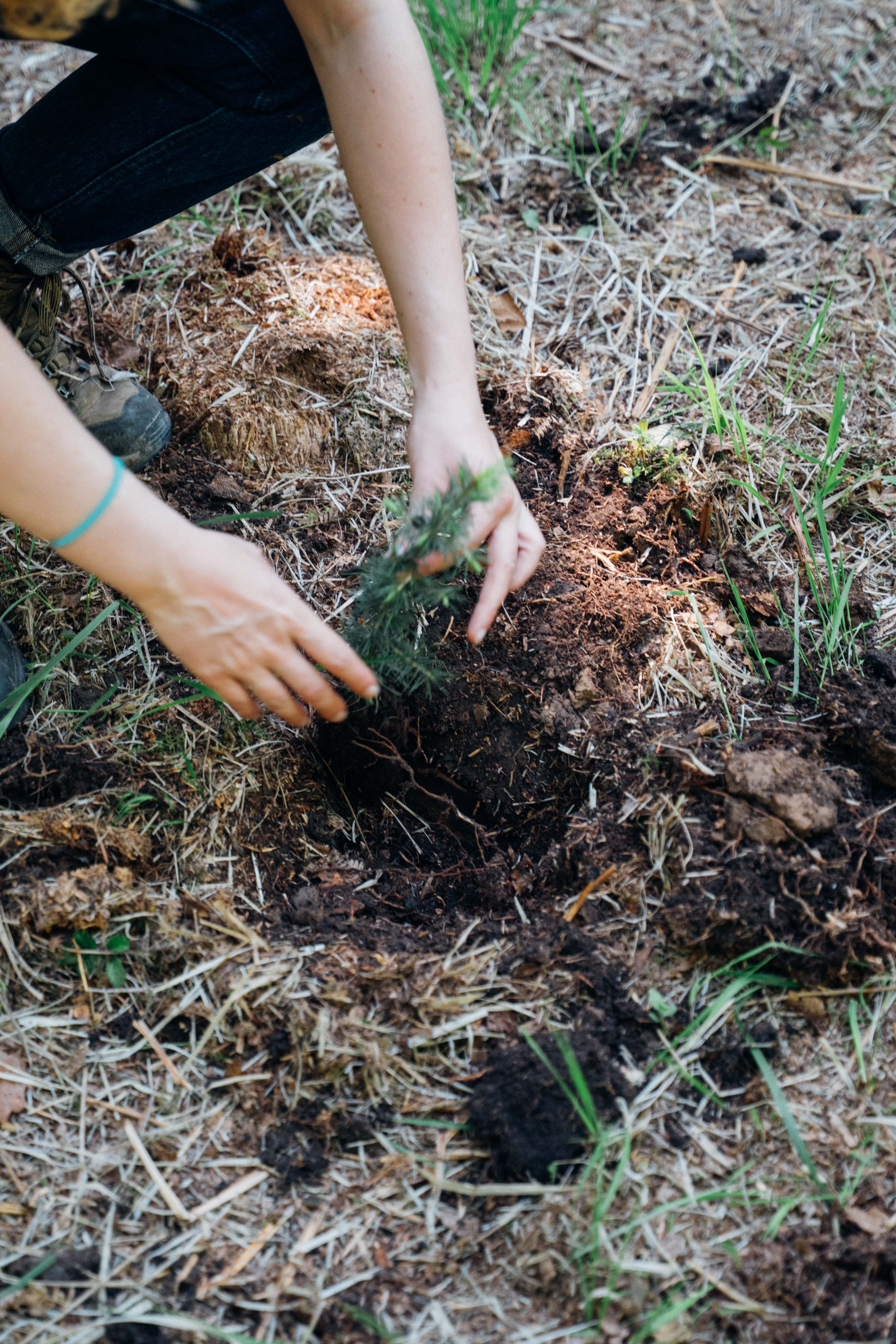
Thousands of hectares of forests are threatened by climate change, pests, and diseases in Belgium. That is why we, together with Sylva Nova, decided to give the forest ecosystem in Belgium a hand as well.
We have two project types:
1) Additional forest: We are planting new forests on neglected land or agricultural land.
2) Non-additional forest: We restore existing forests and make them more resilient. In Belgium and Europe in general, we do not always have new land available for forests. This is caused by the fragmentation of ownership and...Read more
192578
trees planted
33701.15
tonnes of CO₂ absorbed during lifetime
192578
trees planted
33701.15
tonnes of CO₂ absorbed during lifetime
Location
Facts & figures
Operations
Operations
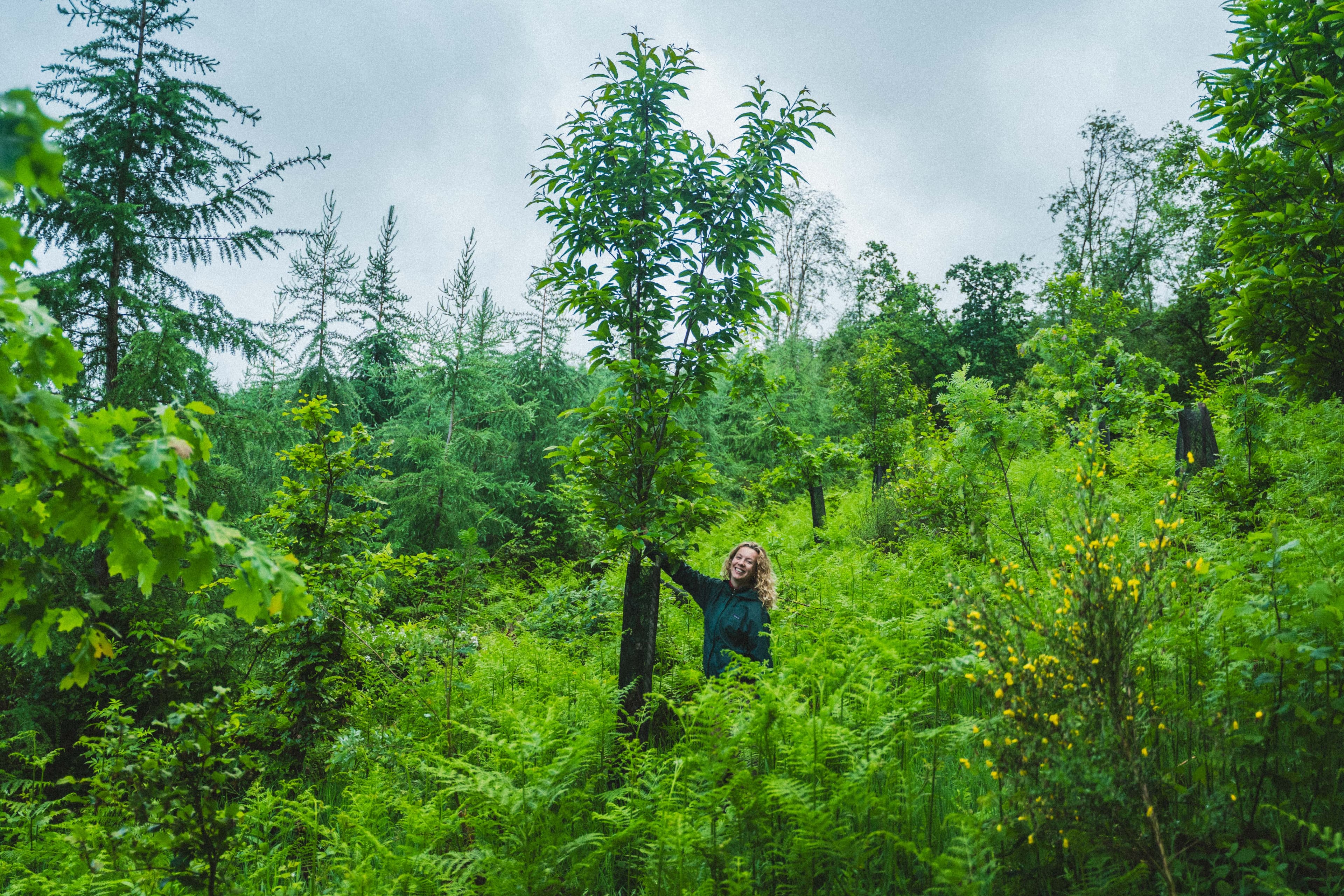
Trees are planted mainly on private land, with contracts established with landowners regarding planting and follow-up requirements. Sometimes we also plant on public land.
Monitoring by our technical partner is carried out for up to 5 years after planting.
After 5 years, 80% of the target density is ensured, including replanting if needed.
Protection is guaranteed for 30 years. Thinning activities are thoughtfully planned to support forest health and resilience, and this wood can be sold by the landowner as part of responsible forest management. Clearcuts are not permitted within the guaranteed period. We however continue to support forest health and survival well beyond these fixed periods.
Ecological impact
Ecological impact
Reforestation to rebuild forest cover on degraded land with diverse, climate-resilient native species
Increased and recovered carbon stocks
Enhanced biodiversity and long-term forest resilience
Improved hydrological cycles and groundwater recharge
Reduced soil erosion and land degradation
Partnerships & knowledge sharing
Collaboration with our technical partner Sylva Nova ensures professional, locally adapted project execution. Moreover, our partner has strong ties to universities, strengthening ecological practices through research.
Specific sites
Sensenruth project, Belgium
Sensenruth is located in Bouillon: a French-speaking city in Belgium, located in the Walloon Region and in the Belgian Ardennes in the province of Luxembourg. Surrounded by forests, Bouillon is an important tourist center, in particular for its famous castle which dominates the Semois from the top of its rock.
In the spring of 2023, we start the p...Read more
Sensenruth is located in Bouillon: a French-speaking city in Belgium, located in the Walloon Region and in the Belgian Ardennes in the province of Luxembourg. Surrounded by forests, Bouillon is an important tourist center, in particular for its famous castle which dominates the Semois from the top of its rock.
In the spring of 2023, we start the plantation of 4445 new trees on 1ha78 in Sensenruth. The soil is already prepared by rotary grinding and replanting is necessary to preserve a forest heritage, preserve its sustainability, and enable it to provide all of these ecosystem benefits. We want to create a forest that is more resilient due to the diversification of the species that compose it. The planting of the last trees was planned for Autumn 2023, but because of the continuous wet weather, it is postponed to 2024.
We are planting 20% hardwood species (mainly beech trees) and 80% softwood species (such as Douglas and Spruce). The trees will be planted with a density of 2500 trees per hectare. We will plant in a band mix and planting is executed by hand. Additionally, there is an installation of a fence to protect the plants from the presence of game (animals such as deer).
Other details
Altitude (m): about 375m.
Soil type: Loamy - Schistose.
Composition of the previous stand: spruces affected by bark beetle attack.
Plantation updates:
- Planting date: The trees were planted in spring 2024.
- 4445 trees planted: The plantation included 978 beech trees (22%), 1734 Douglas firs (39%) and 1734 spruces (39%). Trees were mixed in strips at a density of 2500 plants per hectare.
- Monitoring summary: Monitoring conducted in February 2025 indicated a recovery rate of approximately 70% for beech trees (due to 30% loss from field mice) and 90% for conifers. The overall health of the site is moderate, with biotic damage observed in both beech and softwood species. No climatic damage was reported. Biodiversity is supported by the presence of foxglove, broom, elderberry and preserved elder trees to deter deer.
- Maintenance: Manual and mechanical clearing have been carried out, along with game protection and repellent measures. Replanting is planned for spring 2025 to address losses.
Furfooz project 2023-2024, Belgium
In this 1.78-ha project in Furfooz, we plant 3150 trees and leave a rocky area within the parcel free for natural regeneration. More specifically, we plant chestnut trees, Douglas firs, Corsican pines, cherry trees and lime trees.
Previously, the plot had spruce trees, that were damaged by bark beetle. It is important to restore this area to creat...Read more
In this 1.78-ha project in Furfooz, we plant 3150 trees and leave a rocky area within the parcel free for natural regeneration. More specifically, we plant chestnut trees, Douglas firs, Corsican pines, cherry trees and lime trees.
Previously, the plot had spruce trees, that were damaged by bark beetle. It is important to restore this area to create a resilient and diversified forest that can provide all the forest ecosystem benefits: biodiversity, carbon storage, habitat, landscape…
Other details:
Altitude – 180m
Soil type – Loamy/rocky
Nursery – Pirothon
Plantation activities – February 2024
Additional support from Forêt Résiliente
Plantation updates
- Planting date: The trees were planted in February 2024.
- 3150 trees planted: The plantation included 600 chestnut trees, 1200 Douglas firs, 1200 Corsican pines, 75 cherry trees and 75 lime trees.
- Monitoring summary: Monitoring conducted in July 2025 indicated a strong survival rate of 90%. The overall health of the site is good. 10% of the trees are affected by biotic damage, primarily from game. No climatic damage was observed.
- Maintenance: Manual clearing has been carried out to support tree growth. No replanting has been done or deemed necessary at this stage.