This project, located in France, along the Route de Gartieu de Beautemps and in the Parc naturel régional Médoc, covers the restoration of two project sites: Saint-Germain-d’Esteuil and Vertheuil.
The project involves reforestation after a wildfire devastated the area in 2017, leaving the land fallow. The previous owner took no measures to replan...Read more
This project, located in France, along the Route de Gartieu de Beautemps and in the Parc naturel régional Médoc, covers the restoration of two project sites: Saint-Germain-d’Esteuil and Vertheuil.
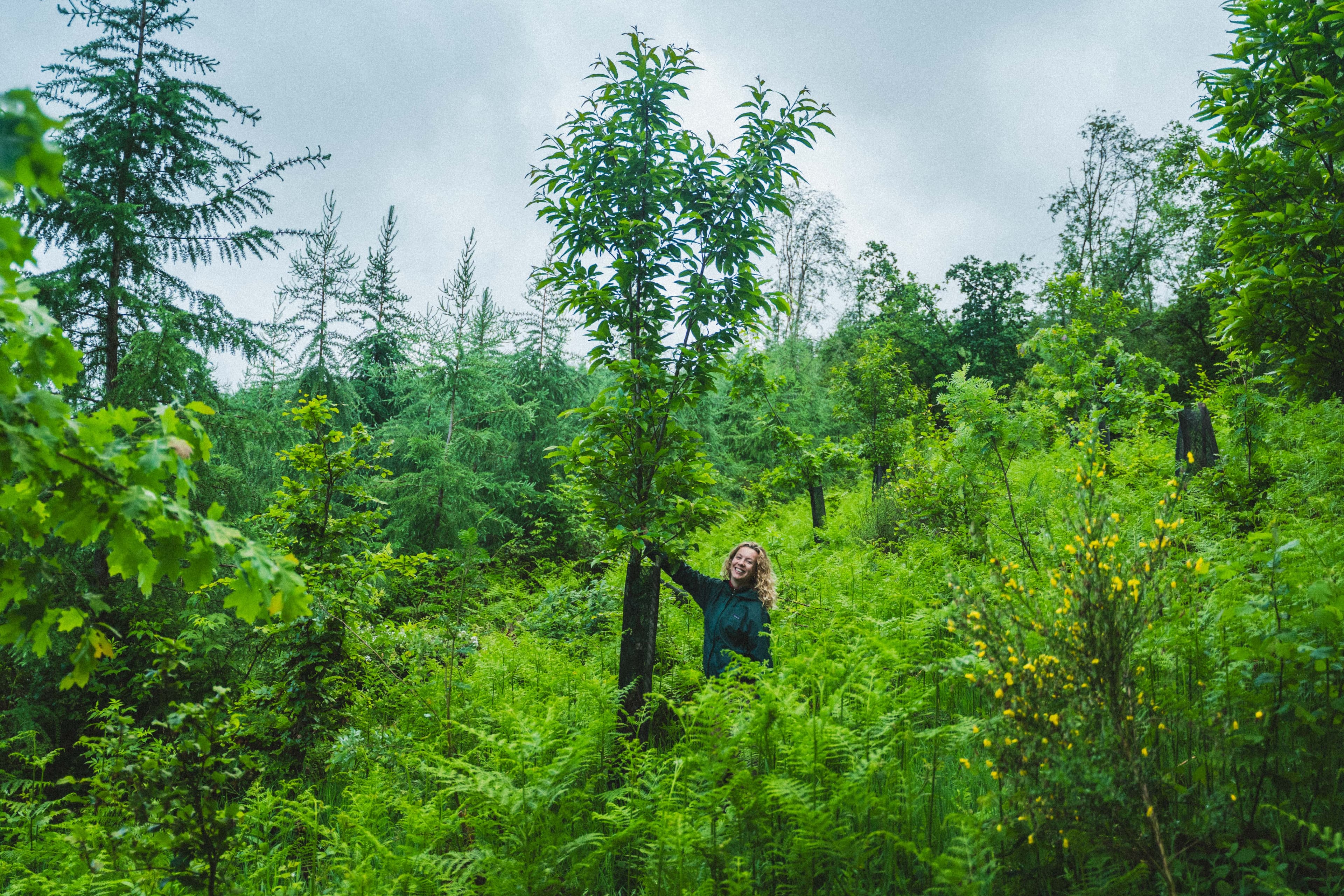
The project involves reforestation after a wildfire devastated the area in 2017, leaving the land fallow. The previous owner took no measures to replant or restore the site, which was originally populated with maritime pines. The project is essential to rehabilitate the land and introduce a more diverse and fire-resistant forest composition. The surrounding area, part of the Haute Lande Girondine, is dominated by monocultures of maritime pines, making it highly susceptible to fire. Adjacent parcels have also been replanted recently with monocultures, offering an opportunity to compare forest evolution over time. This project aims to afforest an open area while enhancing biodiversity and reducing wildfire risks by introducing a more diverse forest structure by incorporating a mix of species and firebreak corridors.
A total of 2,490 trees will be planted across two sites:
1. In the Saint-Germain-d’Esteuil site in the South, the reforestation effort aims to address the challenges by introducing a mix of deciduous tree species that will act as a firebreak and reduce the continuity of pine stands on the property. The species composition includes 100 green oaks, 100 tauzin oaks, 100 pubescent oaks, and 100 birches, each representing 12.5% of the total. Additionally, 400 shrubs (50%) will be planted, including species such as spindle trees, viburnums, European gorse, holly, dogwood, buckthorn, black elderberry, broom, hawthorn, dog rose, privet, and Montpellier maple. The trees will be planted in a mixed layout with 2x2.5-meter spacing. TRICO repellent is applied to deter game browsing.
The long-term management strategy envisions a regular forest structure, enhancing natural regeneration and ecological stability. The project will adhere to FSC certification standards, expected to be finalized in 2025.
2. In the Vertheuil site in the North, the main parcel will contain 975 maritime pines (58%), with various oak species, chestnut, and birch forming small biodiversity islands. Two additional parcels will have 65 poplars along the forest edge. The plantation will follow a structured layout, with pines in rows and clusters of hardwoods interspersed throughout. The soil will be prepared using the "potet" technique, and a wildlife repellent will be applied to protect young trees.
Forest management will follow a regular approach, with periodic clearing and application of wildlife repellents over the first three years. The project aims to achieve FSC certification by 2025 and is under the management of Sylva Nova.
This reforestation effort aims to provide environmental, social, and economic benefits while addressing local challenges like biodiversity loss and fire risk, setting an example for sustainable forest management in the Médoc region.
Plantation updates
- Planting date: The first planting took place between late February and early March 2025.
- 1,790 trees planted: A total of 1,790 trees were planted across two plots covering 0.8 hectares.
Plot 1 – Vertheuil (0.7 ha): 1,690 trees including 975 maritime pines (58%), 150 downy oaks (9%), 250 holm oaks (15%), 75 birches (4%), 125 chestnuts (7.5%), 50 cork oaks (3%), and 65 poplars (4%) planted along the edges.
Plot 2 – Saint-Germain-d’Estheuil (0.1 ha): 100 holm oaks were planted during this phase.
Trees were planted in rows spaced 2.5 × 2 meters, creating a mixed and structured plantation adapted to the site.
- Planting progress vs. initial plan: The initial project planned 2,490 trees. This region presents particularly challenging conditions for reforestation projects. The sandy soils, typical of the Landes du Médoc, are very difficult to work with: they become waterlogged in winter and then extremely dry come spring. Due to the ground being heavily waterlogged, plot 2 was inaccessible and only part of the planting could take place during the initial phase. In September 2025, soil preparation work resumed to continue the planting, but the ground was once again too wet to allow machinery to operate. In the first half of 2026, intense heat and a heatwave led us to postpone the planting further, in order to avoid an excessively high mortality rate among the young trees. The remaining species and shrubs are now planned to be planted during the 2026-2027 season, most likely in October 2026, when site conditions are expected to be more favorable.
- Site conditions first phase: The soil conditions were wet, and the presence of dense gorse vegetation made parts of the site difficult to access. Brush clearing was carried out where necessary to enable planting operations.
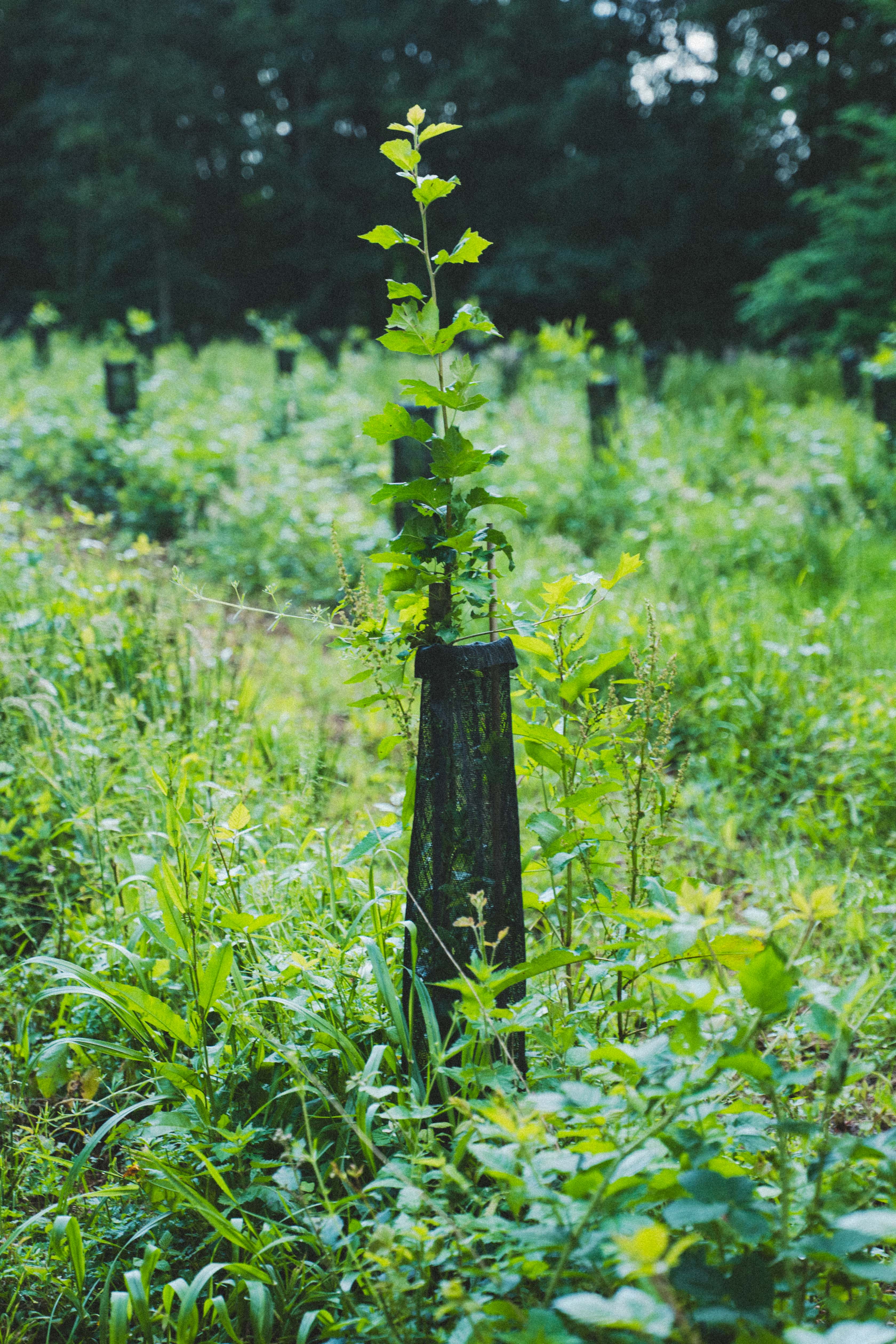
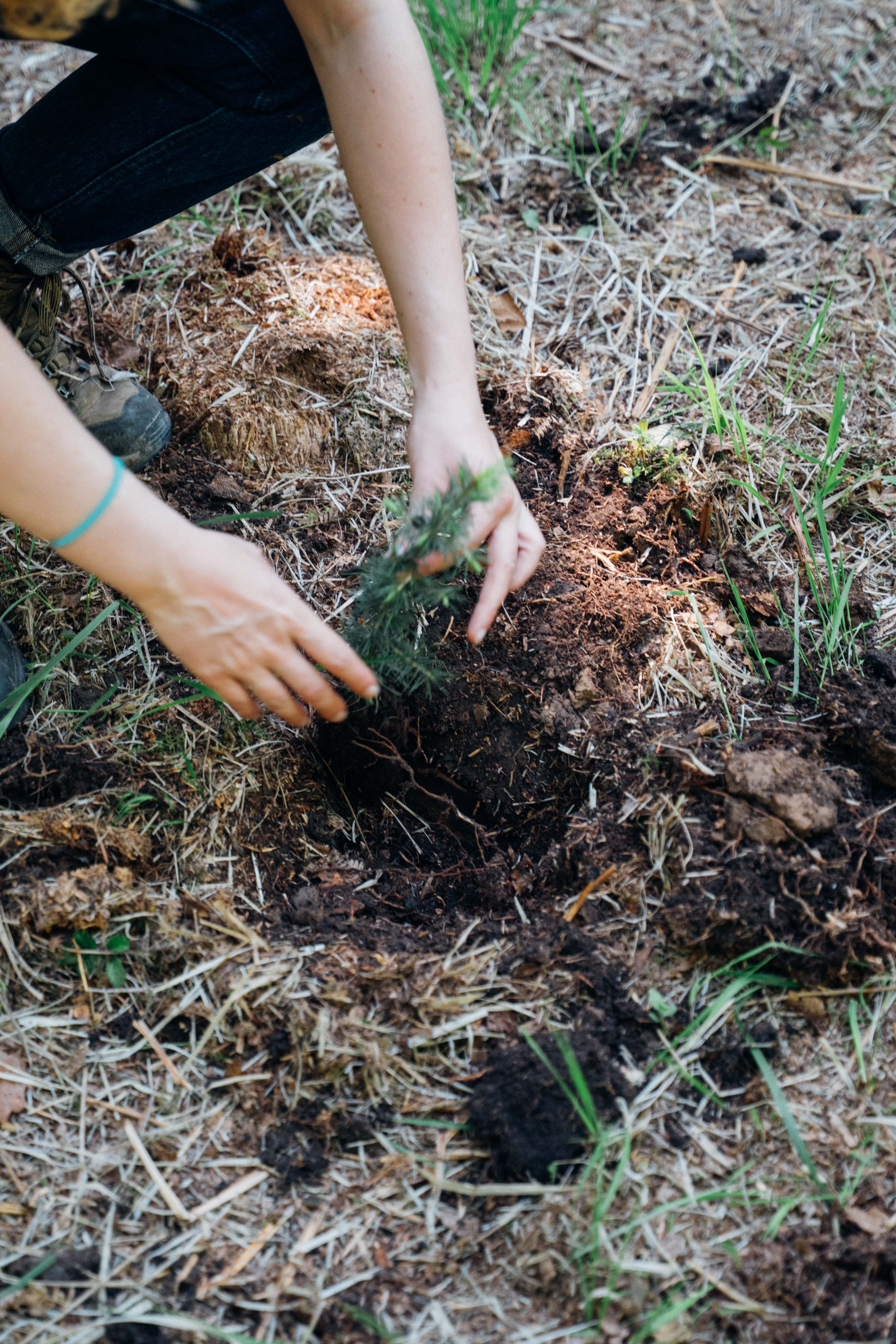
- Planting process first phase: The worksite included site preparation, brush clearing, tree planting, and the installation of tree protection (trico). The work was carried out by four professional planters.
- Maintenance: Future maintenance will include vegetation clearing around young trees and reinforcement of protective measures (trico) to support tree establishment.
Update will follow!
)
)
)