This project is located in a private estate/park, called the Soeterbeek Estate, in the municipality of Nuenen (Eindhoven region).
The estate is classified as a “monument” to be preserved in the Netherlands and has been handed down from generation to generation since its creation. A monastery was founded on this site by the Ursuline sisters around...Read more
This project is located in a private estate/park, called the Soeterbeek Estate, in the municipality of Nuenen (Eindhoven region).
The estate is classified as a “monument” to be preserved in the Netherlands and has been handed down from generation to generation since its creation. A monastery was founded on this site by the Ursuline sisters around 1450. This remained so until the 1830s. Towards the end of the eighteenth century, the house was converted into a castle. The house burned down in the early twentieth century and in 1938, a new country house was built on the foundations of the older house.
The trees and the plots, surrounded by the extending Dommel River, are in an aging condition and the domain should be renewed to be preserved. Two members of the family have decided to renew the estate to make it more ecologically sustainable and continue to provide its so-called official "green lungs" role identified by the city of Eindhoven.
We have visited the project with the owner at the end of January 2024 and we are convinced that this owner deserves to be helped, technically and financially, to manage this relevant project.
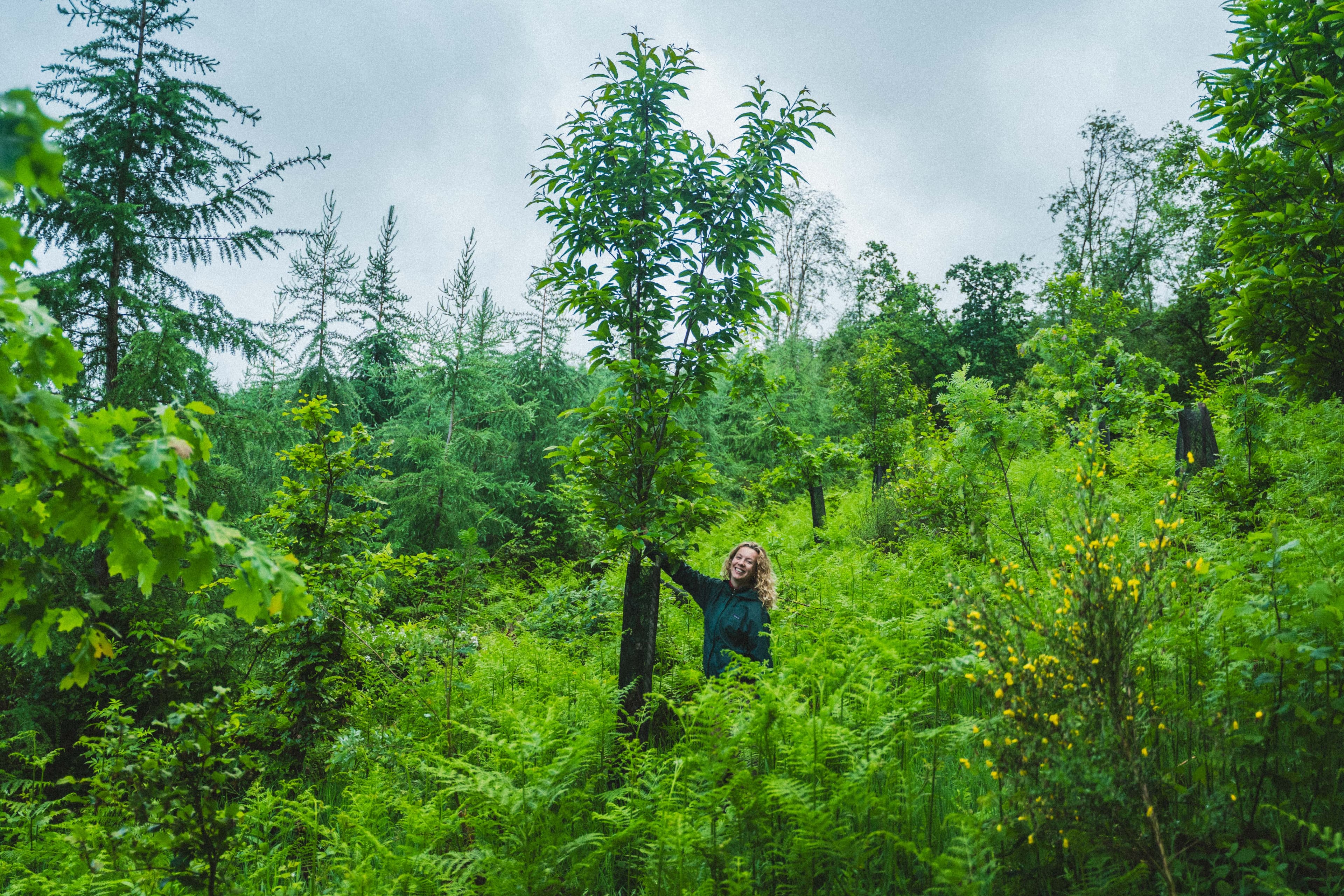
In total, 2500 trees are planted: 1500 trees in a plantation (0.3 hectares) and 1000 trees (100 sqm) in a hedge formation along the vegetable garden. It is a beautiful project that makes the area greener, sequestrates carbon, and supports biodiversity in the region.
FOREST SPECIES
Field Maple 2.25%
Alder 5.62%
Hornbeam 10.11%
Cornelian Cherry 4.49%
Hazel 2.25%
Medlar 2.25%
Black Poplar 6.74%
Bird Cherry 5.62%
Blackthorn 2.25%
Pedunculate Oak 6.74%
Buckthorn 2.25%
Alder Buckthorn 4.49%
Glandular Hedge Rose 2.25%
Dog Rose 2.25%
Hedge Rose 2.25%
Sweet Briar 2.25%
Felted Rose 2.25%
Crack Willow 10.11%
Elder 4.49%
Small-Leaved Lime 8.99%
European White Elm 5.62%
Guelder Rose 4.49%
HEDGE SPECIES
Beech (3-year-old) 12.50%
Hornbeam 18.75%
Small-Leaved Lime 3.13%
Pedunculate Oak 3.13%
Redcurrant 6.25%
Cornelian Cherry 18.75%
Common Hawthorn (Single-Styled) 12.50%
Field Maple 12.50%
Alder Buckthorn 6.25%
Blackcurrant 6.25%
Plantation update:
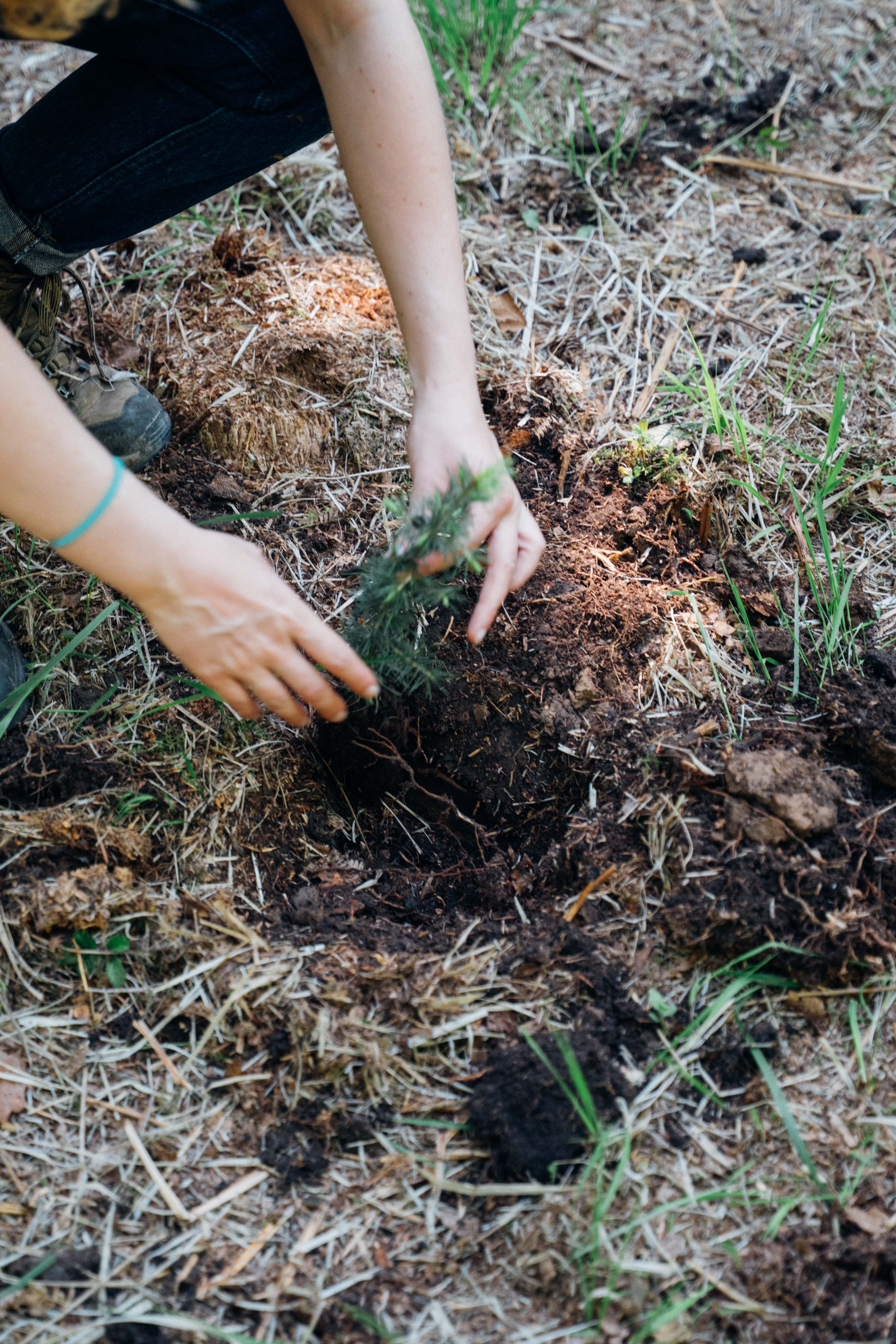
- Planting date: Both sites were planted between October and November 2024.
- 2,500 trees planted in total: 1,500 forest trees in a mixed native line planting (including white willow, hornbeam, linden, black poplar, English oak, black alder, bird cherry, elder, wych elm, and multiple rose and shrub species) and 1,000 hedge plants in double rows along the vegetable garden (beech, hornbeam, dogwood, hawthorn, field maple, red and black currant, linden, buckthorn, and oak).
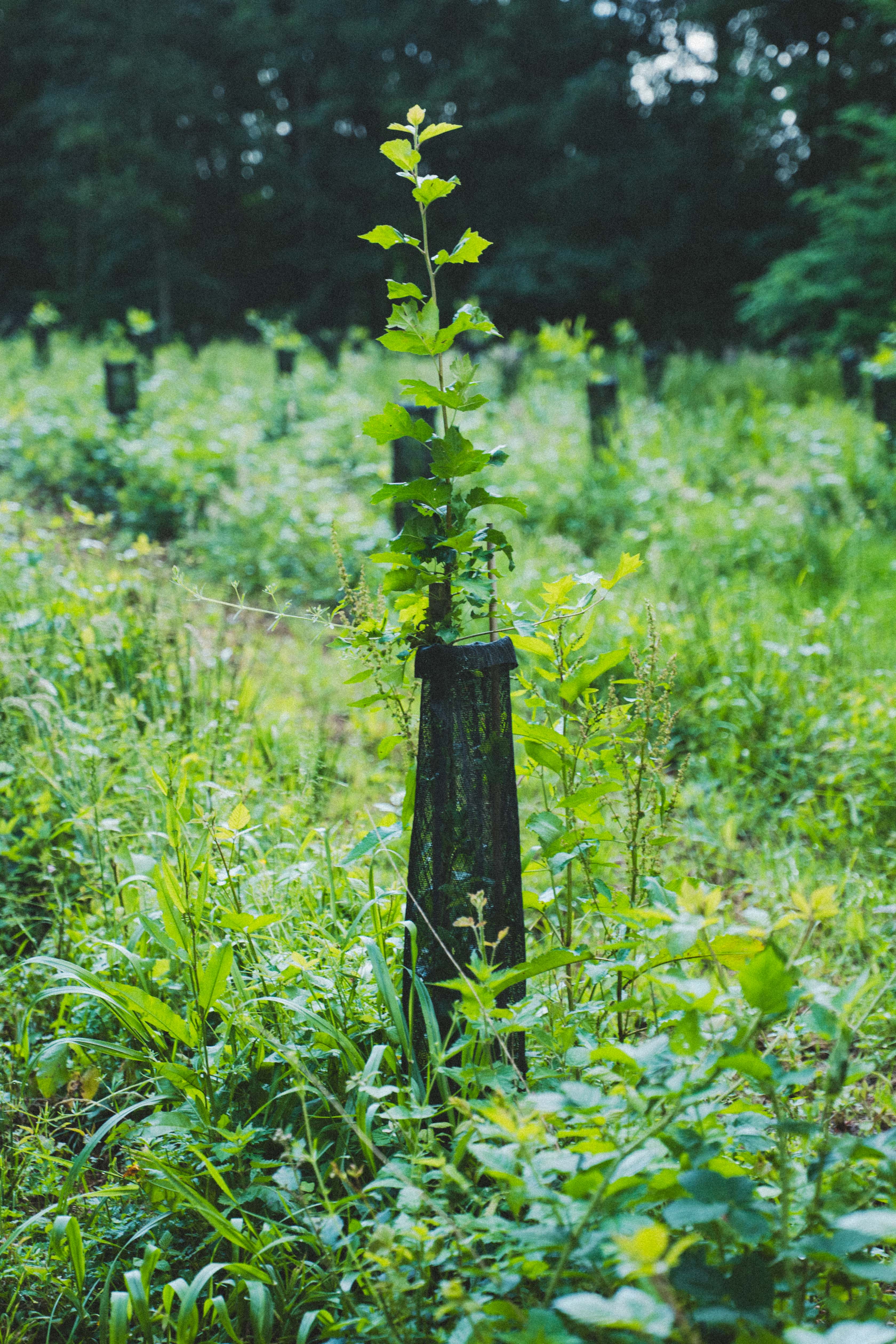
- Monitoring summary (November 2025): The recovery rate is 95% for the hedges and 85% for the forest. No biotic damage was recorded. Climatic factors have affected approximately 15% of trees, linked to the very wet conditions on site. A water collection system has since been installed to improve drainage and water management. Several bird species were heard on site.
- Maintenance: Overall the plantation is performing well, and the hedges bordering the vegetable garden are doing particularly well.
)
)
)