Agroforestry in Madagascar

Tamatave & Akamasoa, Madagascar
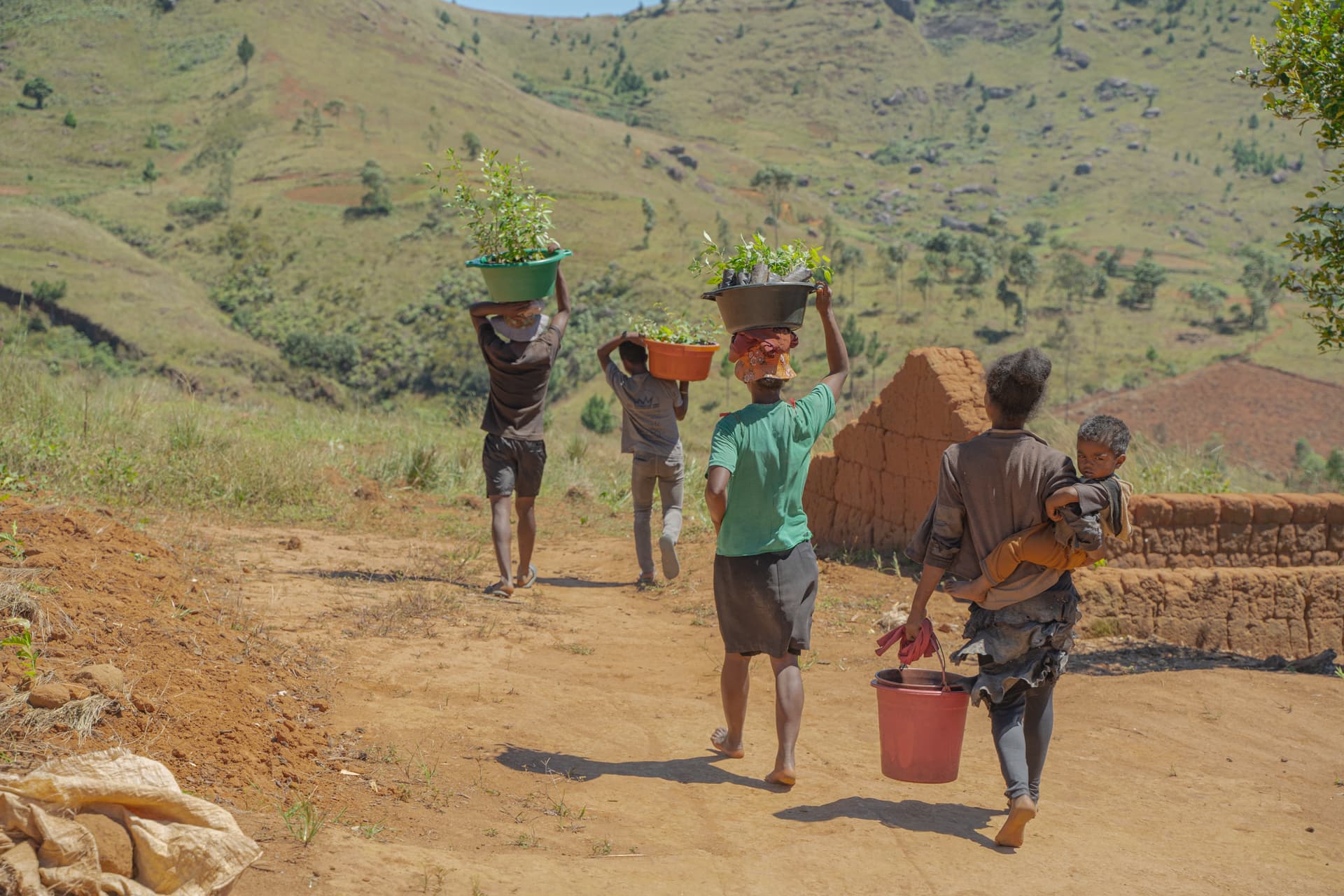
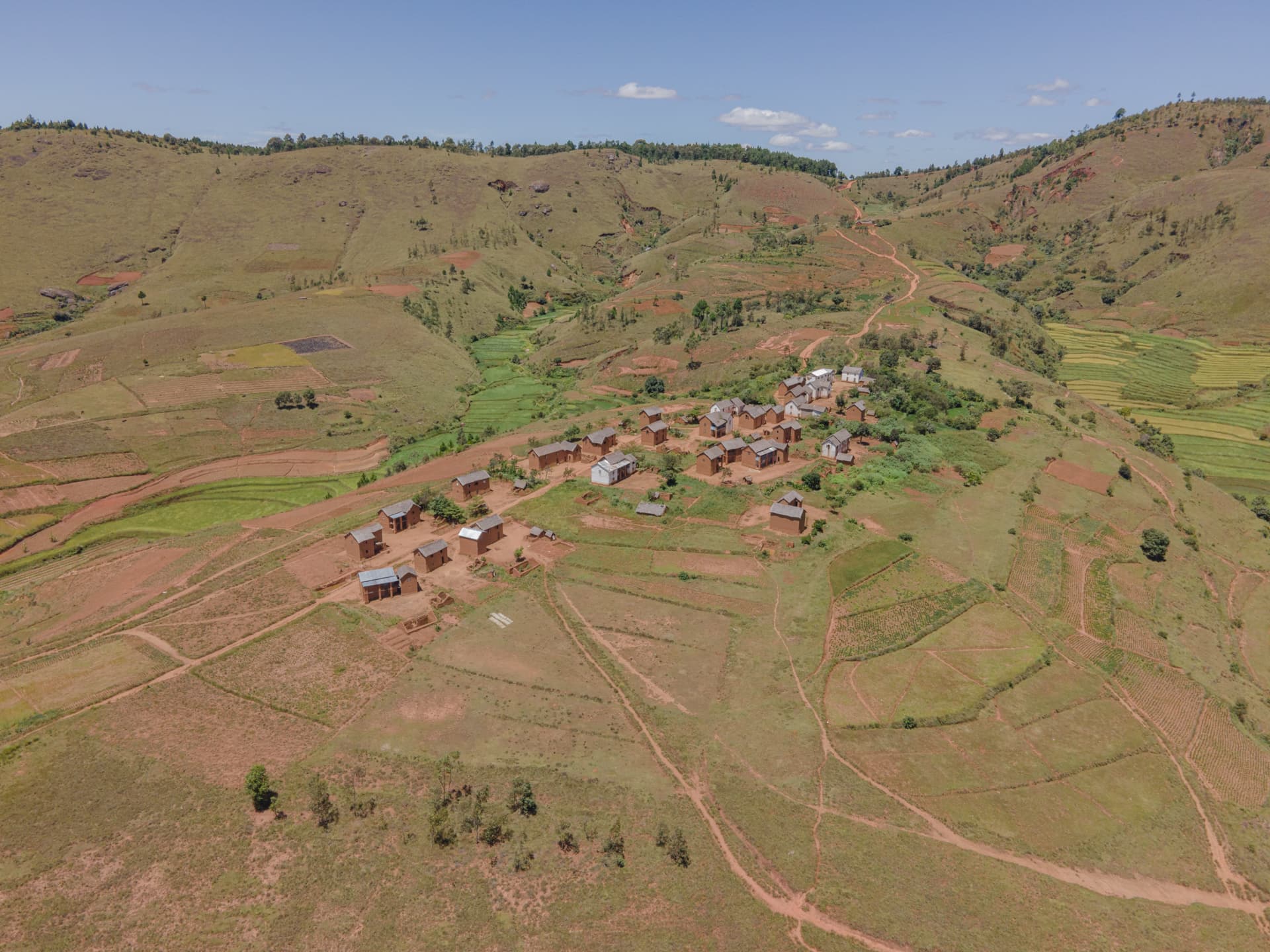
In Madagascar, social enterprise Bôndy and Go Forest focus on planting trees in an agroforestry system, combining the cultivation of trees with crops or livestock on the same plot of land, and where all the trees planted have (quick) economic benefits for the local farmers. We have developed a model where we plant high–value species on farmer lands that will bring economic and environmental benefits to the local populations. This creates a more diverse ecosystem, promoting sustainable use of agricultural land. Field engineers provide training o...Read more
47044
trees planted
39140.61
tonnes of CO₂
absorbed during lifetime

Location

Facts & figures
Socio-economic impact

Socio-economic impact

Socio-economic impact

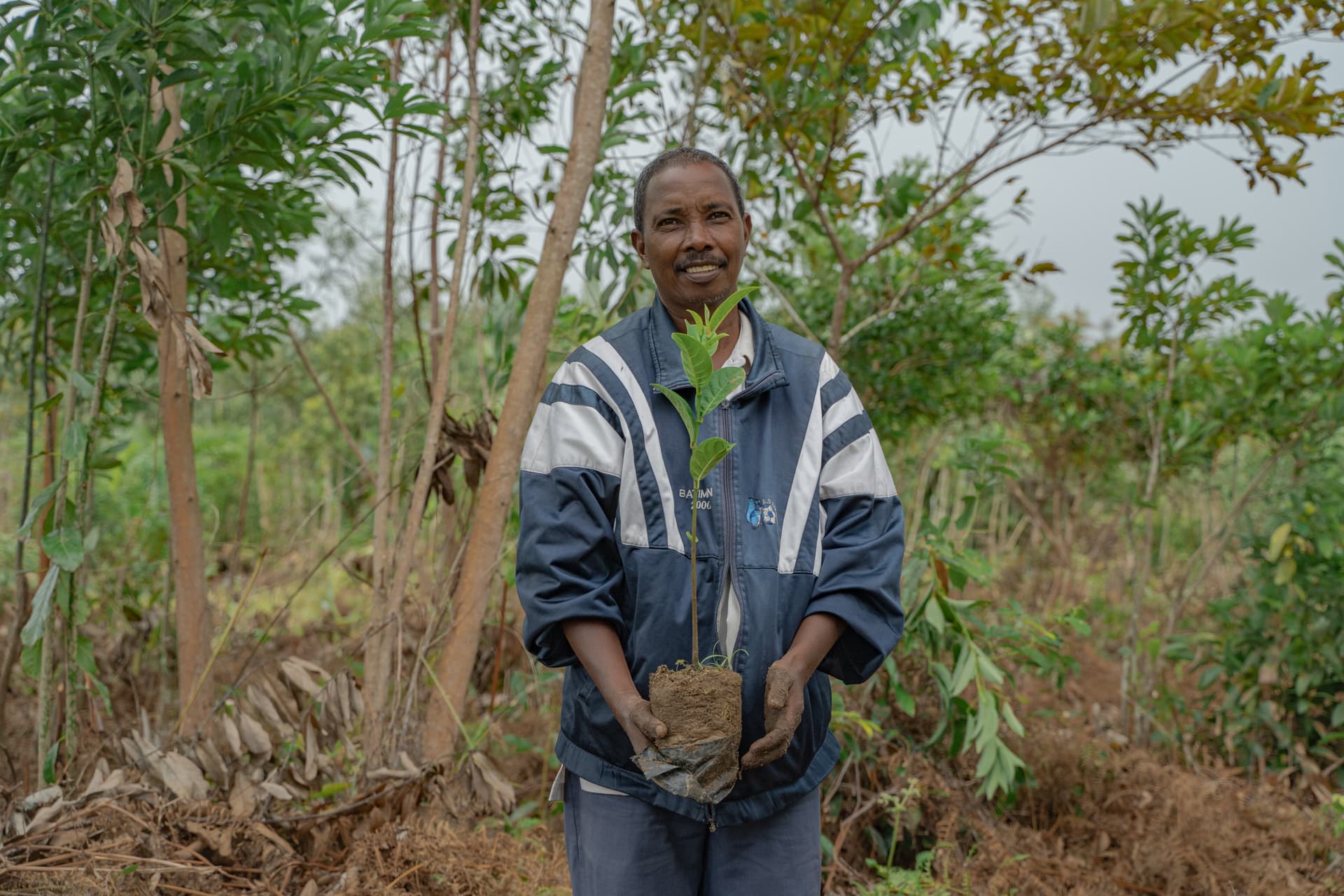
  • Diversifying farmer incomes and reducing vulnerability to climate risks by planting over 18 species with different production cycles, creating multiple income windows throughout the year

  • 1 direct beneficiary per 1,000 trees planted (the farmer partner), and 4.5 indirect beneficiaries per 1,000 trees (the farmer partner's family)

  • 4 long-term jobs per 1,000 trees planted: full-time regional staff, including local project managers and technicians

  • Providing a regular, accessible source of nutritious food and reducing dependence on annual crops vulnerable to droughts and pests

  • First yield can be observed from the 4th year after planting. In the meantime, our local partner supports farmers through incentives, training and capacity building on market gardening and permaculture

  • A "field school" offers training programs in sustainable agriculture and institutional visits

  • A mini tree nursery engages primary school children, who care for 3,000 young plants each year and bring them home to plant after 6 to 7 months

  • Awareness raising in schools and municipalities, alongside training and capacity building for adults, builds trust and long-term commitment among communities

  • Promoting the development of alternative income-generating activities adapted to the local context such as beekeeping

  • Better access to basic social services and living conditions, supporting long-term community involvement

  • Women and youth are empowered through capacity building and involvement in income-generating activities, promoting inclusion and equality within communities

Operations

Operations

Operations

  • The project is operated on the ground by our technical partner Bôndy

  • Active in 3 regions: Tamatave, Akamasoa and Ambanja

  • As a general guideline, plots typically combine around 66% forest species for shade, soil structuring and long-term resilience, 12% fruit trees, and the remaining share allocated to cash crops. Composition isn't fixed and is adapted per parcel based on soil conditions, farmer needs and agroforestry objectives

  • Species planted include citrus, coffee, eucalyptus, acacia, pink peppercorn, peach, cashew and jackfruit, among others

  • Nurseries produce a diversity of seedlings, with around 30,000 plants grown each year before being planted directly on farmers' plots

  • Each project is followed closely for 5 years, with continuous training, technical support and monitoring to ensure high survival rates, building a solid relationship between operational teams and farmer partners

Ecological impact

Ecological impact

Ecological impact

  • Reduces pressure on primary and secondary forests

  • Smallholder plots are transformed into micro-habitats: planted trees improve soil structure, support natural regeneration and attract wildlife such as pollinators, birds and beneficial insects

  • Revitalises water cycles and improves water infiltration, helping protect watersheds

  • Reduces soil erosion in vulnerable areas and diversifies vegetation cover, strengthening long-term ecological function and landscape resilience

1 No poverty
2 Zero hunger
8 Decent work and economic growth
10 Reduced inequalities
13 Climate action
15 Life on land

Specific sites

Akamasoa agroforestry project, Madagascar

Antolonjanahary Akamasoa, is a village founded by Father Pedro. Since 1989, this Argentinian priest has been very involved in lifting people out of poverty in Madagascar. It is a source of pride for Bôndy to collaborate with the villagers of Akamasoa, where we hire locals in the tree nursery, work with farmers to reforest the area through agrofores...Read more

Tamatave agroforestry project, Madagascar

The east coast of Madagascar is known for its vegetation and its abundant rains. This part of the island is known to be greener than the others, however, the Atsinanana region is currently facing all kinds of disturbances like massive deforestation and pollution. Bôndy started its activities in the area in 2021, with a focus on regenerative agricul...Read more

Partners