Cepan and Go Forest were able to plant 0,64 hectares in Paraíba state, using the direct seeding technique. The areas chosen for the planting site are located inside the territory of Japungu Agroindustry, a sugarcane plant, where Cepan has worked for more than 10 years. The Japungu is a long-time partner of Cepan for restoration purposes, being one ...Read more
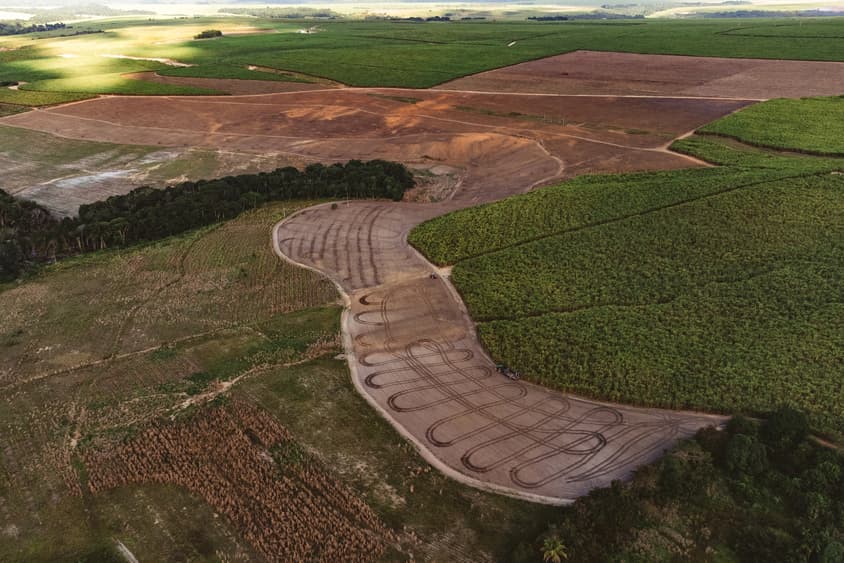
Cepan and Go Forest were able to plant 0,64 hectares in Paraíba state, using the direct seeding technique. The areas chosen for the planting site are located inside the territory of Japungu Agroindustry, a sugarcane plant, where Cepan has worked for more than 10 years. The Japungu is a long-time partner of Cepan for restoration purposes, being one of the most important sugarcane plantations in Brazil. The Japungu plant is in an area that is emblematic for biodiversity conservation, where our project aims to connect two protected areas in the region where threatened species occur – The Pacatuba-Gargaú Corridor. There, among many other species we have the Red Handed Howling Monkey (Alouatta belzebul) and the Blonde Capuchin Monkey (Sapajus Flavius) still in large numbers, in a fragmented landscape. Our goal is to connect those forests to bring more habitats for those and other species of the region. The sites are areas around the Fazenda Pacatuba Protected Area, that contribute to the preservation of the monkey species and enhance the structural connectivity of the landscape.
SEED COLLECTION
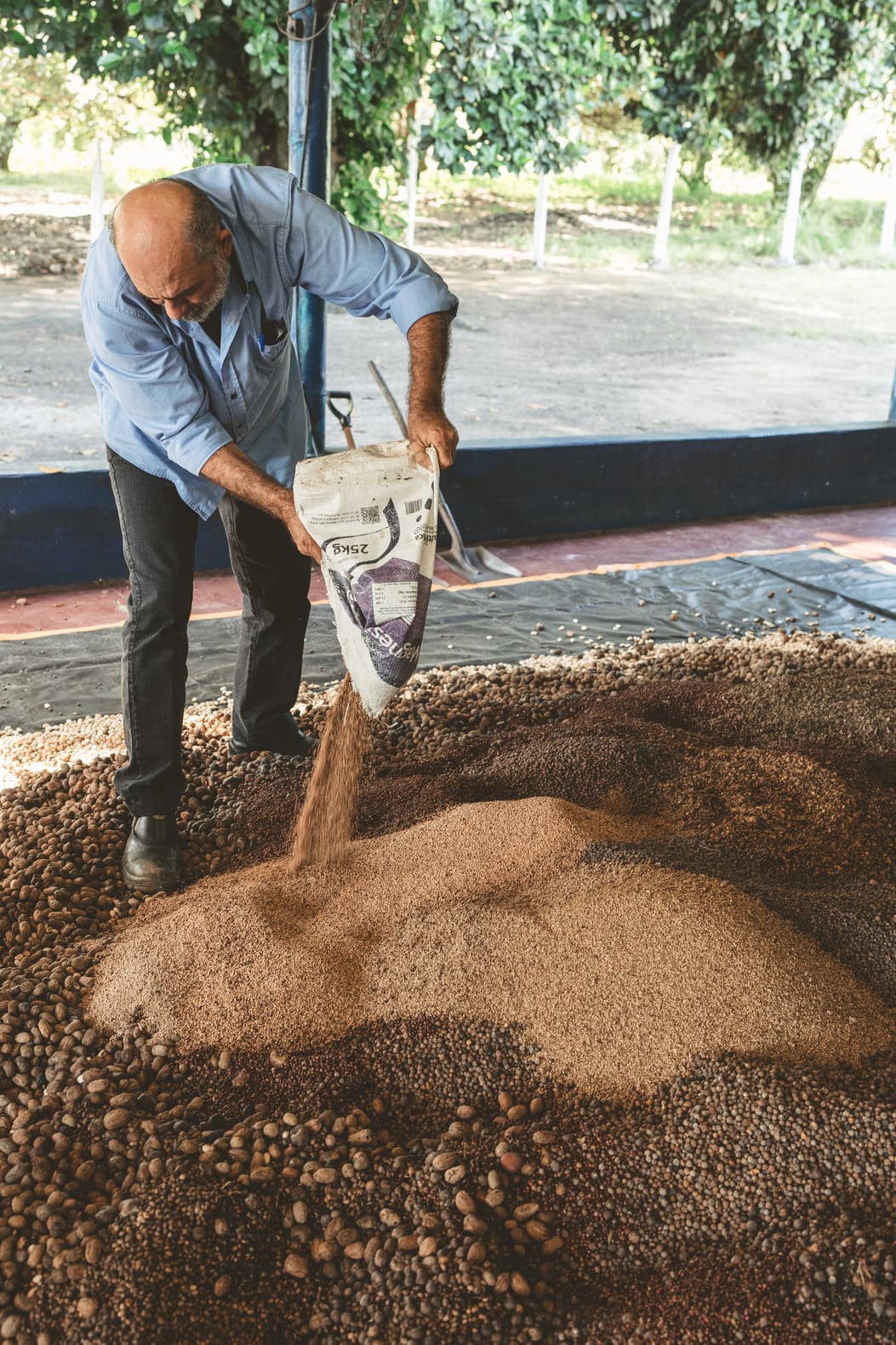
Our local partners spend 2-3 months on native species’ seed collection and processing. Seed collection is crucial for restoration efforts using direct sowing techniques. The team works with 11 seed collectors in Paraíba, maintaining a list of species and quantities for collection. Weekly monitoring is conducted remotely to track progress and adjust requests if targets aren't met. Additionally, the Maracajá Seed Collectors Group from Lagoa dos Gatos Municipality in Pernambuco State (formed and trained by Cepan technical team and one of the most prominent seed collectors of the Northeast of Brazil) has joined this effort. For this plantation, 48kg of seeds were used.
We have also used green fertilizer species. Green fertilization has the role of establishing better microclimate conditions and improving soil quality, decreasing the competition with invasive grasses through a fast soil covering, and creating better conditions for native seeds to thrive in the planting. We used the Guandu bean (Cajanus cajan), Crotalária (Crotalaria ochroleuca), and Pork beans (Canavalia ensiformis).
SOIL PREPARATION
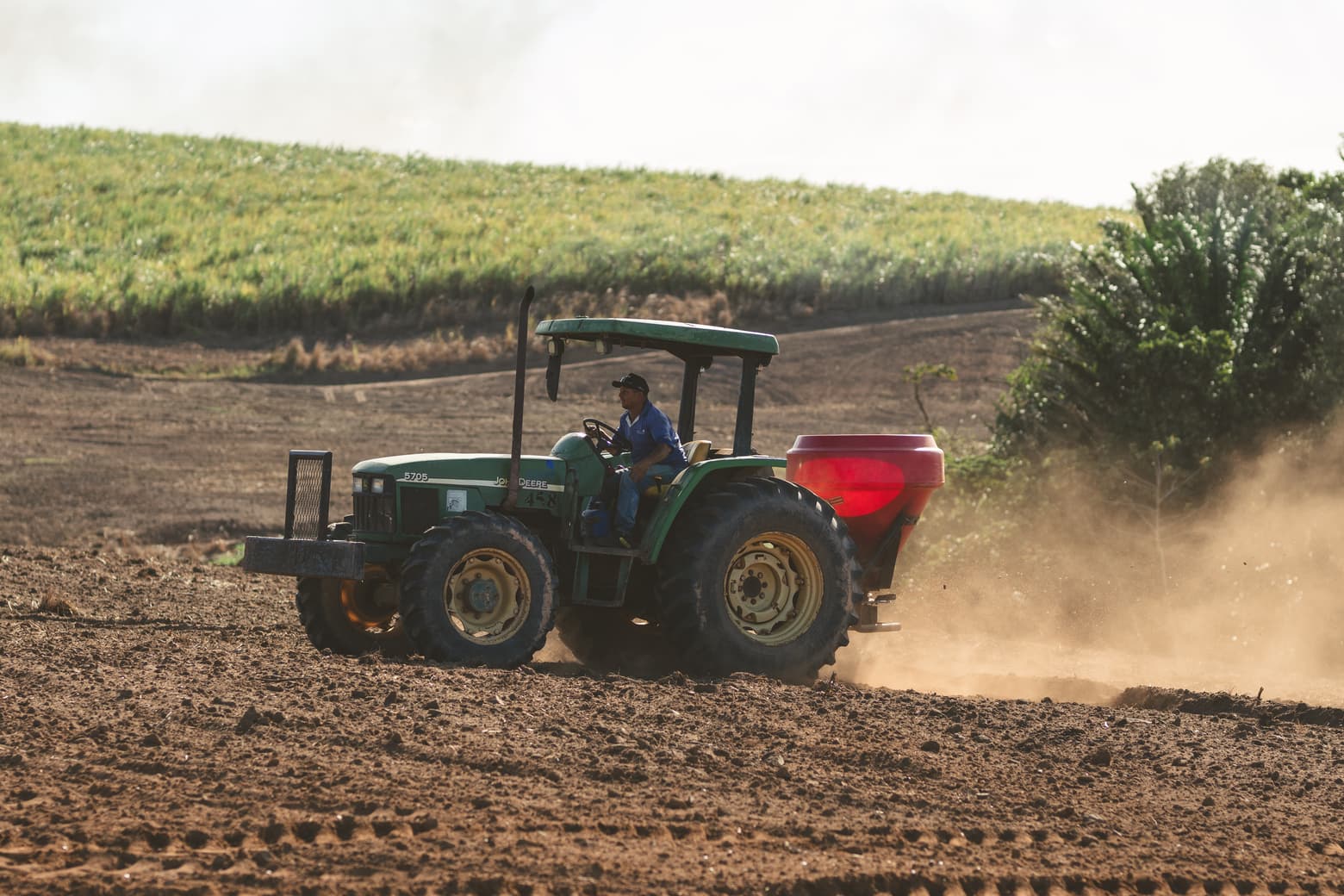
The selected areas are plowed 3 times before the planting operations, in intervals of 20 days. This step firstly eliminates the invasive grasses that may be competitors to the native trees that will be planted and unpacks the upper layer of the soil, making it more suitable for seed growth. Right after the plowing, the area was prepared by making planting grooves, with a distance of 1 meter between the lines.
DIRECT SOWING
The planting activities may take 2-7 days in each cycle, depending on the amount of trees ordered. The sowing on the planting sites was done manually, with the help of the field workers of Japungu Agroindustrial. The workers were trained in the quantities of muvuca in each meter of the row to be sown, and field security in the activity. The planting activity took place beginning in September 28th and ended on October 7th of 2024.
TREE GROWTH
Once the planting finishes, our team holds expeditions to monitor the restoration process.
IN SUMMARY
With this planting, we were able to involve 21 seed collectors, 1 tractor operator, 9 restoration workers, 4 environmental experts, and a team of 8 people providing technical and administrative support. This planting activity contributed to helping to improve the connecting biodiversity corridors for primate conservation. It also involved local labor, which means shared benefits to communities and the preservation of important areas.
)
)
)
)
)