Reforestation and agroforestry in Tanzania

Magamba Nature Forest Reserve, Tanzania
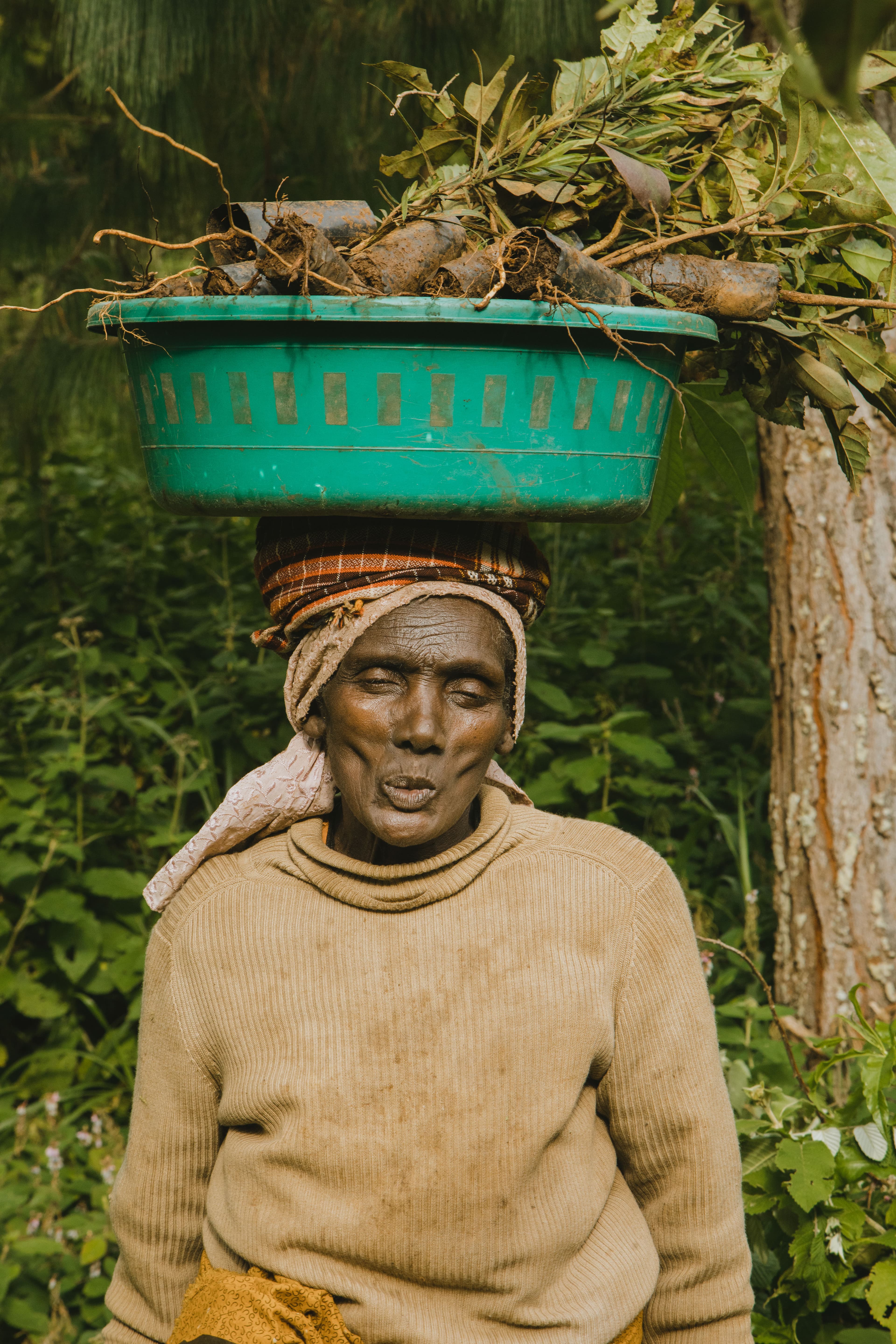
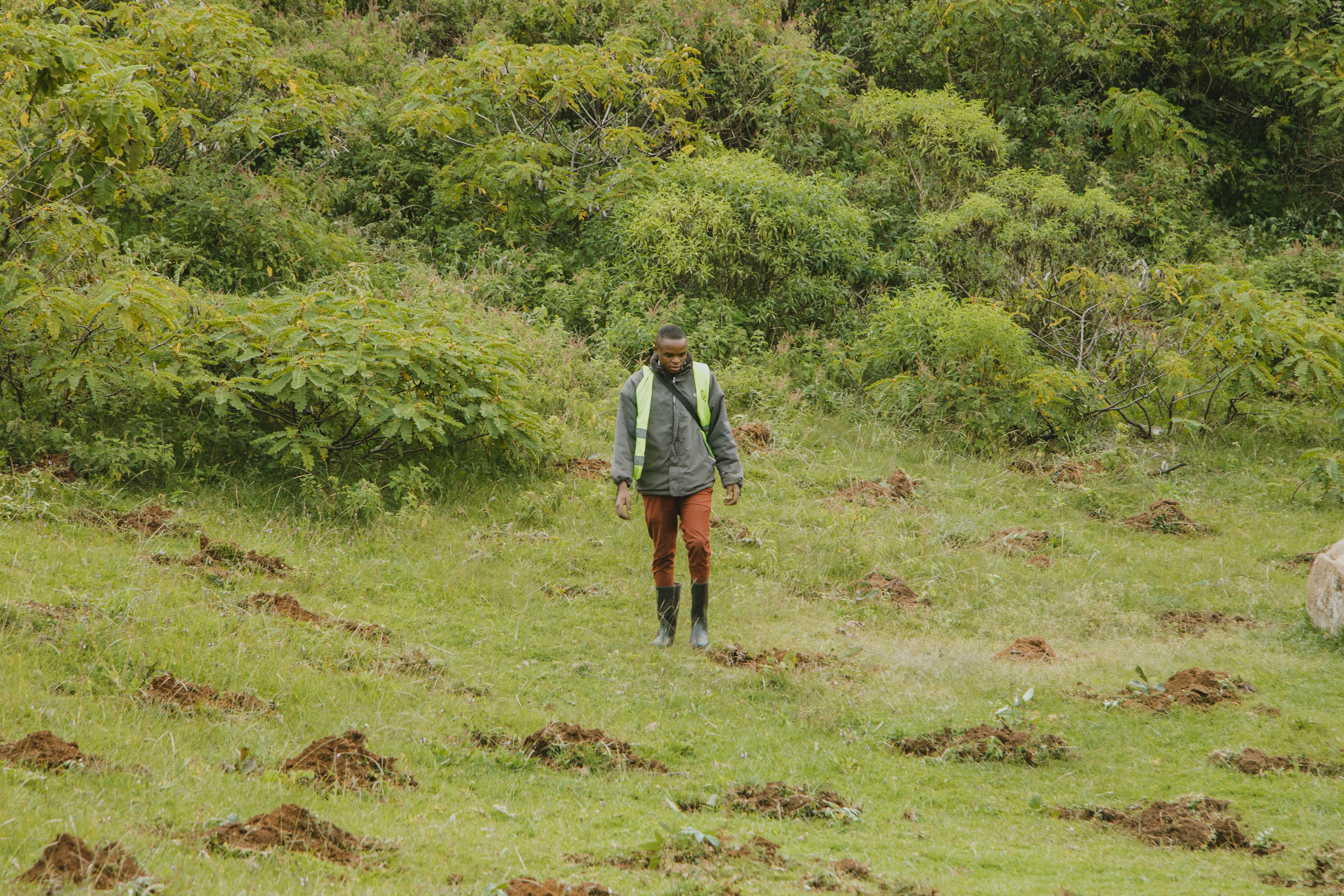
In cooperation with the Changamoto Youth Development Organization, we want to restore forests in the Magamba Nature Forest Reserve that were burnt down in the past. The planting, maintenance, and monitoring are done by the local communities, making sure the project not only has ecological, but also social and economic positive impacts. The Magamba Nature Forest Reserve is the only nature forest reserve located in the Western Usambara Mountains, found between Lushoto District Council and Korogwe District Council. This forest has suffered sever...Read more
21839
trees planted
6551.70
tonnes of CO₂
absorbed during lifetime

Location

Facts & figures
Operations

Operations

Operations

  • Support is split 50/50 between reforestation within the Magamba Nature Forest Reserve and agroforestry on local farms, ensuring a dual impact: restoring critical forest ecosystems while directly enhancing community resilience and prosperity

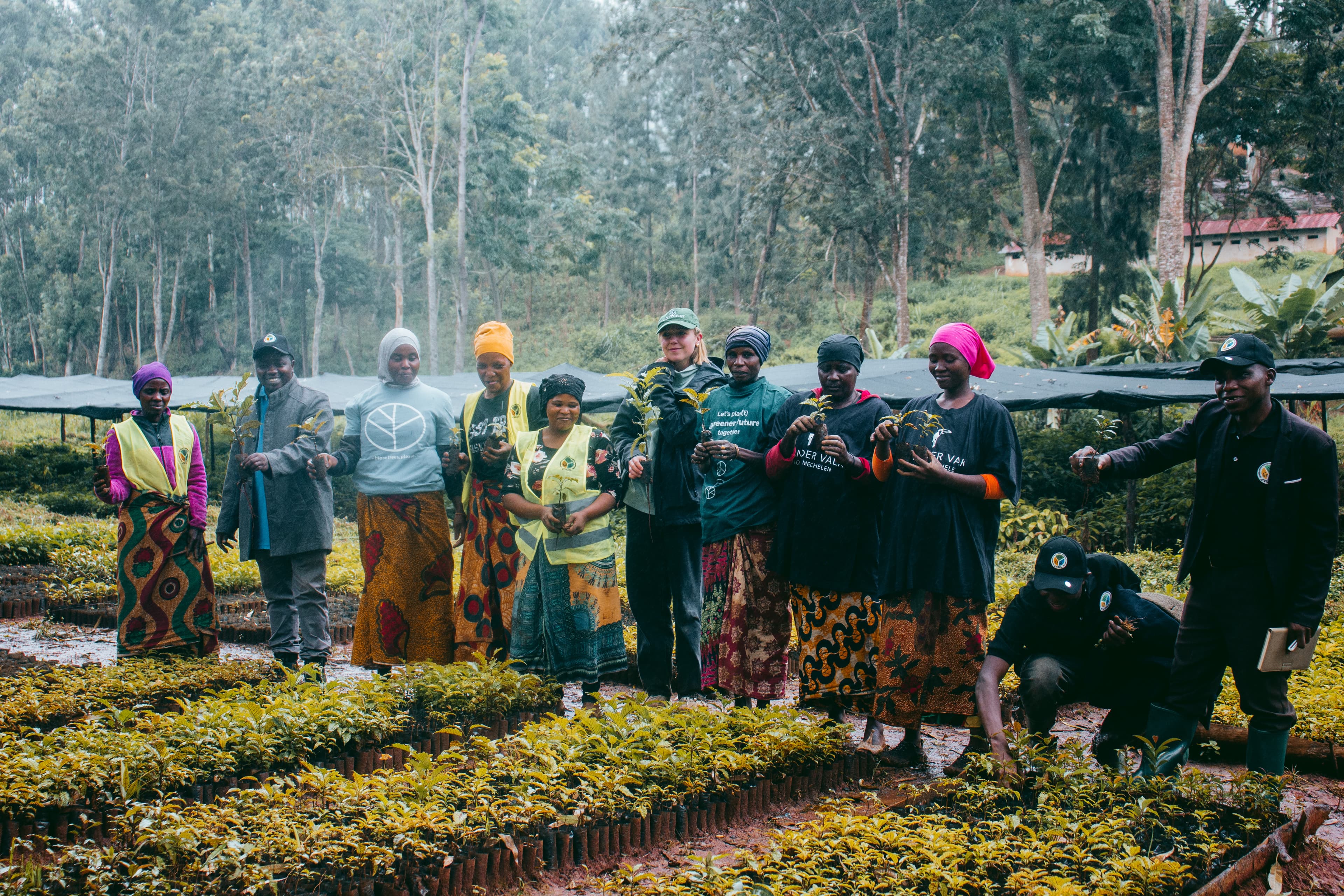
  • Planting, maintenance and monitoring are carried out by local communities, with both communities and local government engaged throughout

  • Planting takes place during the rainy season: high rains from March to May, short rains from October to December

  • Trees are planted in cleared lines so sunlight reaches the seedlings. The Magamba reserve has dense fern growth, requiring regular maintenance to clear around new seedlings and ensure they receive enough sunlight

  • Ongoing monitoring takes place until three years, after which the forest is handed over to the government

Socio-economic impact

Socio-economic impact

Socio-economic impact

  • Fruit-tree agroforestry and restoration work, spanning 21 communities around the reserve, create new income streams, helping over 100 families strengthen their livelihoods

  • Restored agroforestry plots boost food security by increasing food production and income

  • The project promotes women's empowerment through restoration work and sustainable farming training

  • Restoration and nursery work create employment for 28 men and 76 women, strengthening rural livelihoods

  • Focus on education and empowerment, showing young people deforested areas and the struggles this causes, so they can see directly how healthy forests improve livelihoods

Ecological impact

Ecological impact

Ecological impact

  • Restores degraded land and combats desertification by planting over 21,000 trees, including more than 11 indigenous species, maximising ecological diversity

  • Native tree planting protects wells and water sources by improving infiltration, recharging groundwater tables and reducing siltation, ensuring more reliable water access for surrounding communities

  • Sequesters atmospheric CO2 and strengthens community resilience to heat, drought and other climate impacts

1 No poverty
2 Zero hunger
5 Gender equality
6 Clean water and sanitation
8 Decent work and economic growth
13 Climate action
15 Life on land

Specific sites

Reforestation in the Magamba Nature Forest Reserve - plot I

The Magamba Nature Forest Reserve has suffered several wildfires which were caused by human economic activities, such as local honey harvesting practices and the search for fuel wood. The reserve is important for biodiversity conservation, enhancing eco-tourism, and the water supply of many villages. This project is going to be conducted at Nkundei...Read more

Agroforestry in the local villages, Western Usambara Mountains, Tanzania

As part of our ongoing efforts to maximize the impact of our initiatives, we have decided to allocate 50% of the funds for Tanzania to reforestation efforts with native tree species, while the remaining 50% is allocated to supporting agroforestry tree planting within the local communities’ farms. Agroforestry integrates trees and shrubs into agric...Read more

Partners