Reforestation in South-Africa

Maputaland, South-Africa
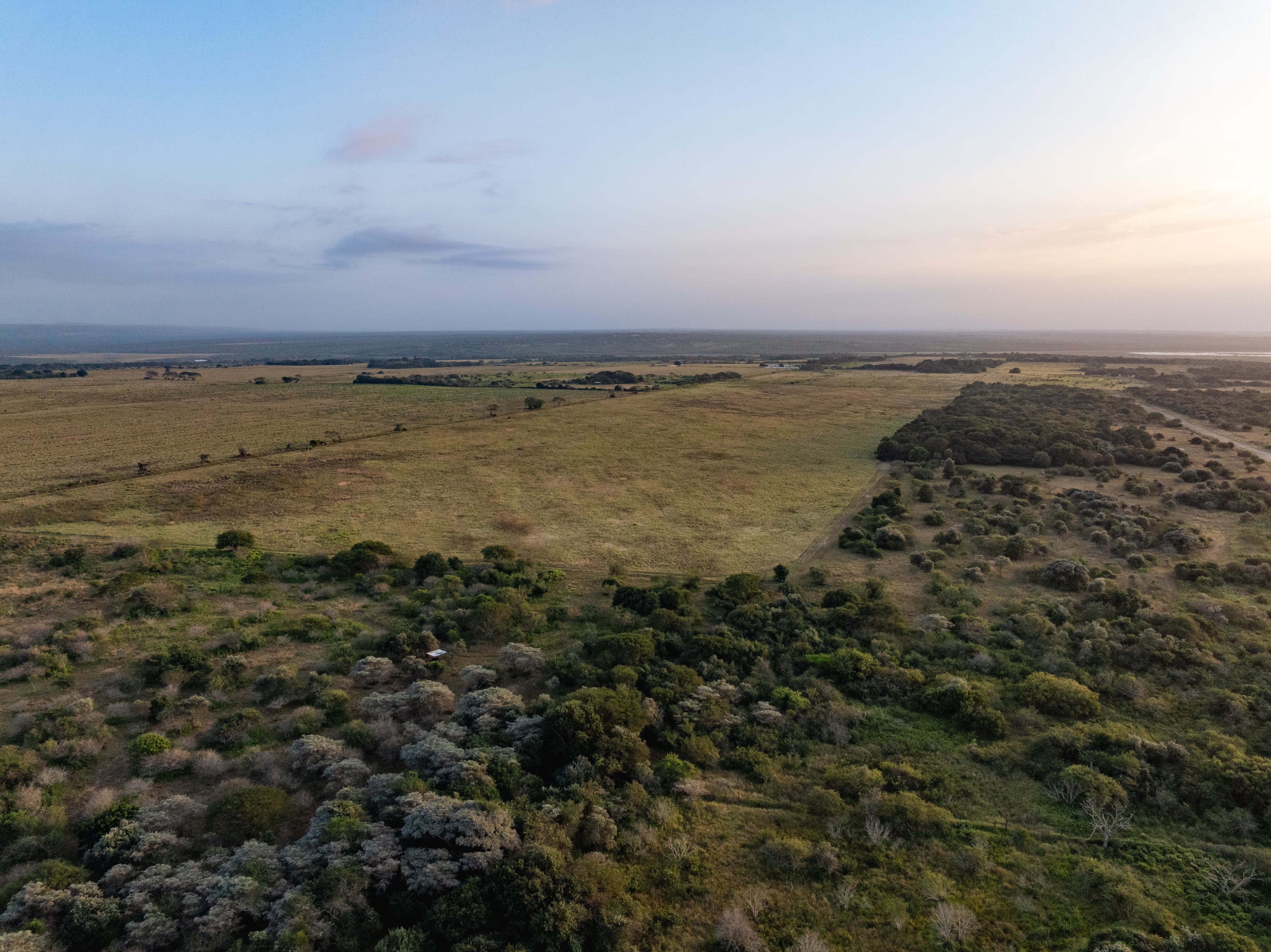
Sand forest is one of South Africa's rarest habitat types. Restricted to the Maputaland region of northern KwaZulu-Natal, it forms part of the globally significant Maputaland-Pondoland-Albany Biodiversity Hotspot. Go Forest is working with Wild Tomorrow, our local technical partner on the ground, to protect and restore this critically endangered habitat. Growing in sandy, nutrient-poor soil, this dry forest is a conservation priority due to its exceptional biological richness and high species endemism, home to 84 floral species found nowhere e...Read more

Location

Facts & figures
Operations

Operations

Operations

  • The project is operated on the ground by our technical partner Wild Tomorrow

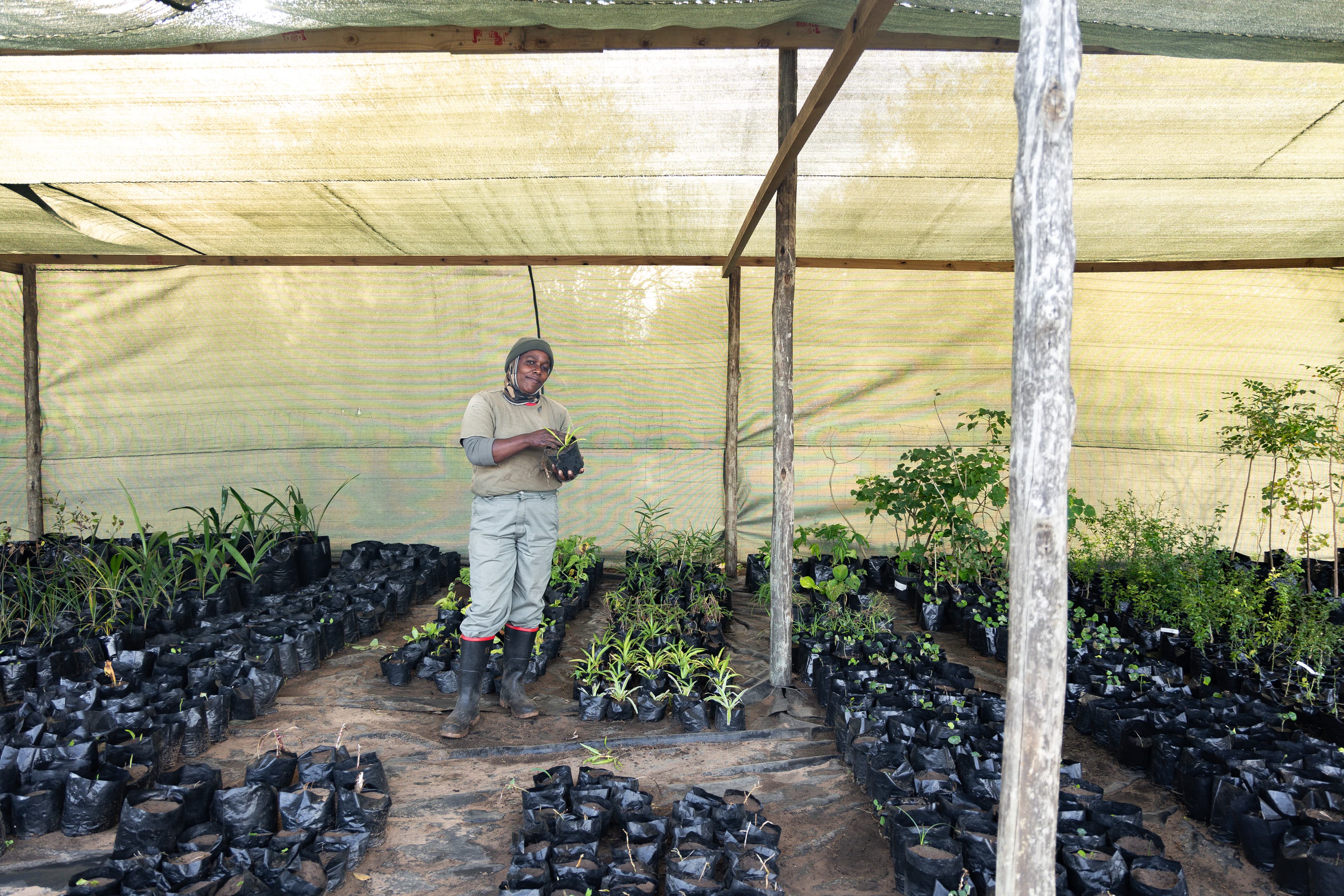
  • The nursery grows 33 different species, focusing exclusively on indigenous sand forest species. Plants are grown in the nursery until at least 1m in height before being planted into restoration areas.

  • In completely or severely degraded areas, fast growing pioneer species such as Flat Crown, Yellow Bauhinia and Coast Golden-leaf are planted first to establish a canopy. Once the canopy has established, slower growing climax species such as Dwarf Toad Tree, Fluted Milkwood and False Tamboti are added to the mix. In established sand forest areas that only need supplementation, climax species are planted directly.

  • Planting takes place during the rainy season, from October to March

  • Both tree health and wildlife are monitored throughout the restoration process

Socio-economic impact

Socio-economic impact

Socio-economic impact

  • Creates meaningful, long-term employment through native tree propagation, planting, habitat restoration, monitoring and invasive species management

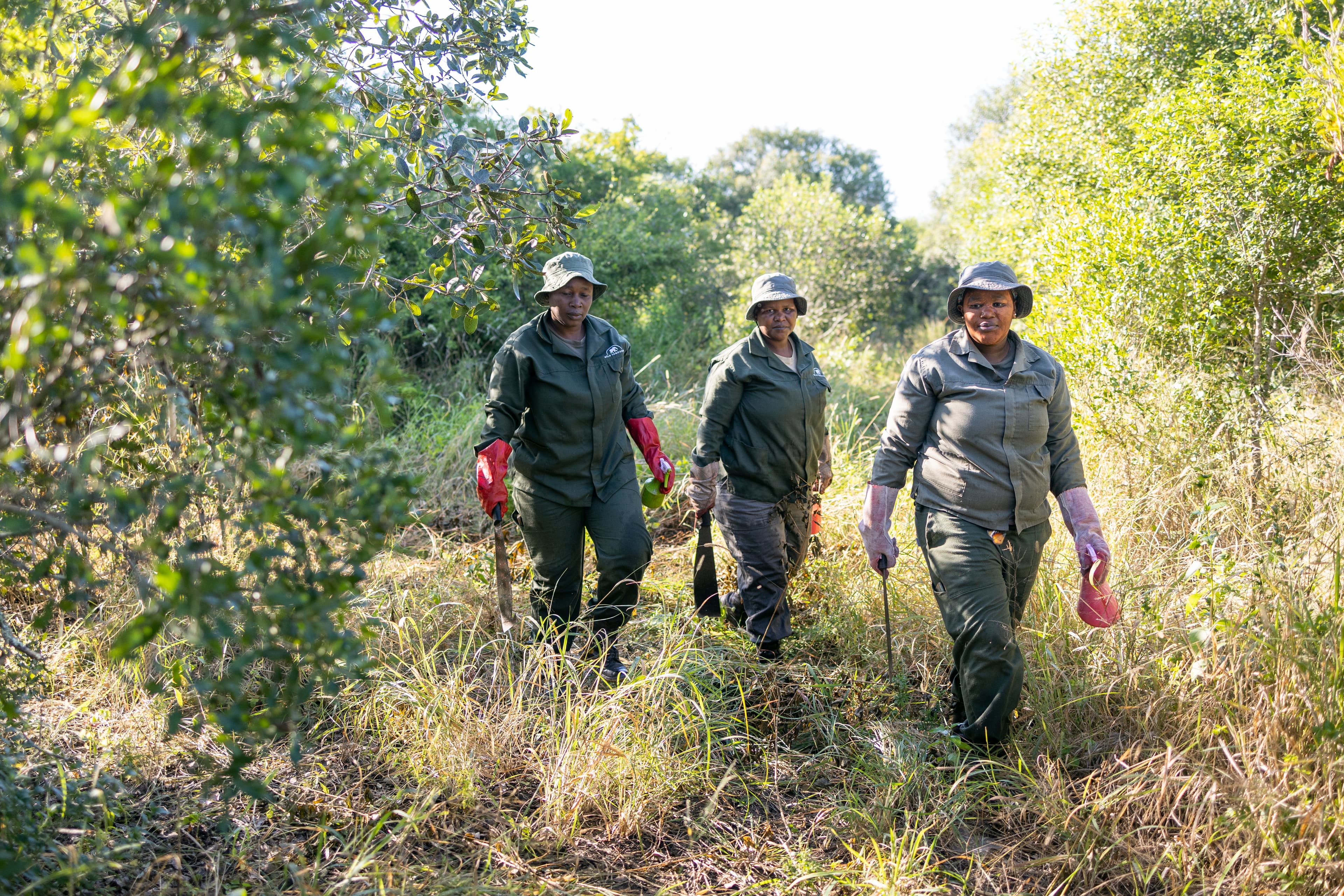
  • The Green Mambas, an all-female restoration team, are a key part of the project, supporting conservation while providing stable income and skills development

  • Green Mamba employment currently supports over 120 family members and dependents in surrounding communities

  • Contributes to environmental education, skills development and community participation in landscape-scale conservation

  • Supports women's empowerment and inclusion as changemakers within their communities

Ecological impact

Ecological impact

Ecological impact

  • Aims to restore 24 hectares of historically occurring sand forest. The goal is to plant 15,000 indigenous trees representing at least 20 species.

  • Removes invasive and encroaching vegetation and supports the natural return of native plants and wildlife

  • Expands and reconnects fragmented sand forest patches, creating a wildlife corridor connecting two existing protected areas and improving landscape connectivity between remnant forest areas

  • Creates breeding and feeding habitat for sand forest birds and other wildlife

  • Restores ecological processes lost through decades of agricultural use

1 No poverty
5 Gender equality
13 Climate action
15 Life on land

Partners