Reforestation in Spain
Spain
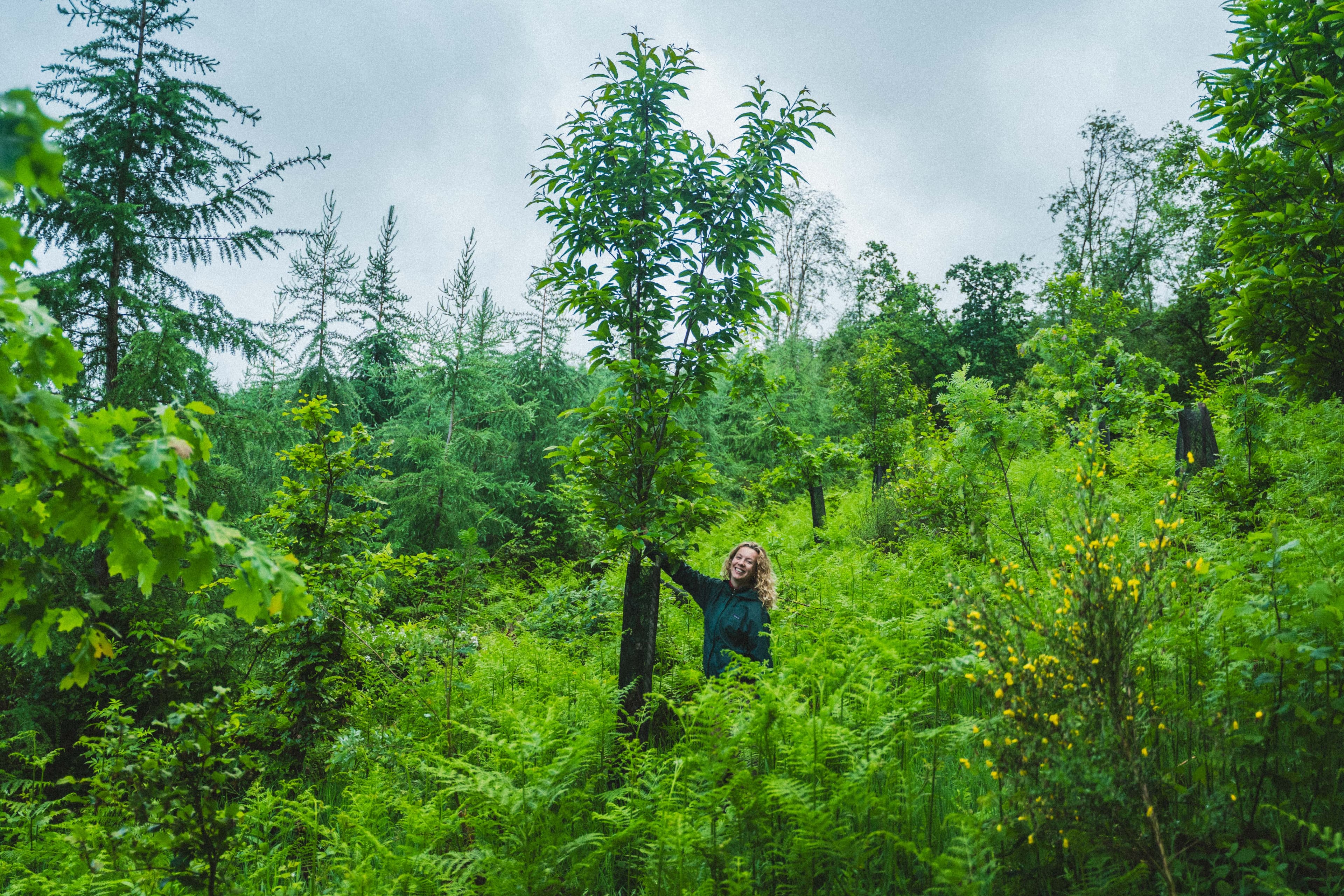
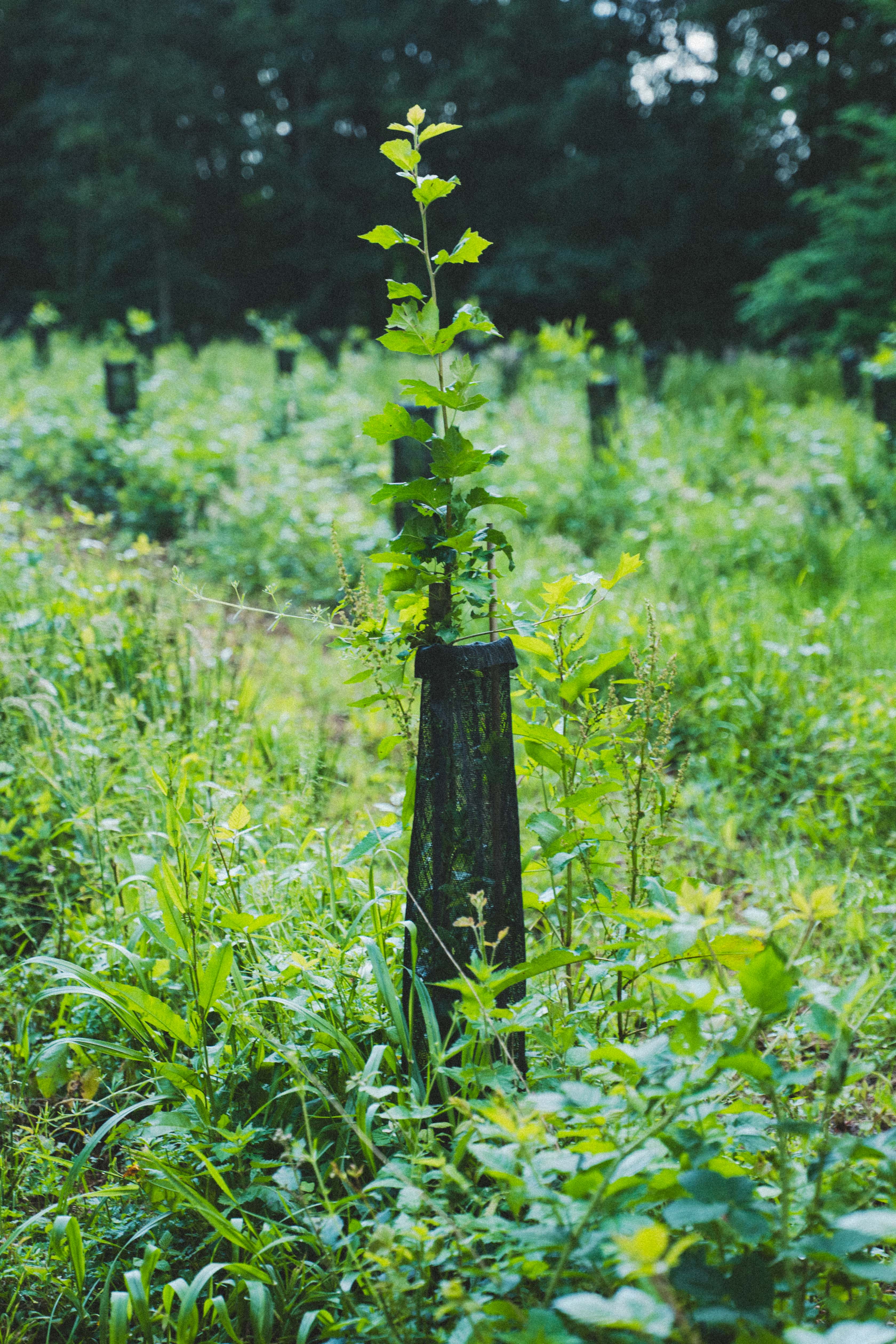
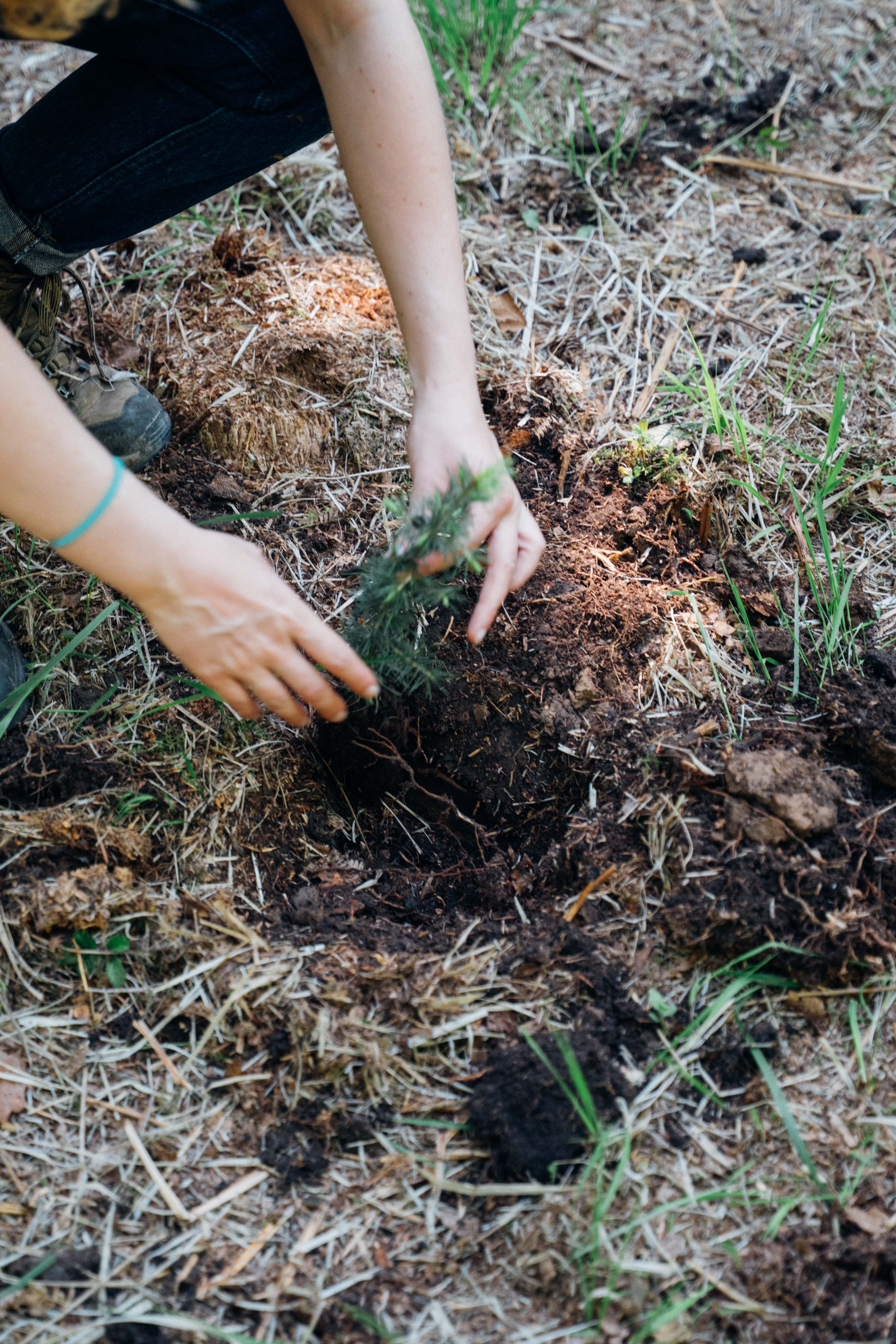
In Europe, we focus on reforestation and restoration of forests and conservation in the long term. We maintain, structure, and enrich forests because their sustainability would not be guaranteed without action.
In Spain, specifically, Go Forest and Sylva Nova focus on regions affected by forest fires. Besides that, we also protect animal species that are in danger due to these fires..
trees planted
tonnes of CO₂
absorbed during lifetime
absorbed during lifetime
trees planted
tonnes of CO₂
absorbed during lifetime
absorbed during lifetime
Location
Facts & figures
)
)
)
Specific sites
Caleruega project, Spain
The project:
In Caleruega (Burgos), Spain, the project of 1700 trees was started in the Spring of 2023. The largest part of the trees is Quercus Ilex.
Local row tillage was chosen for soil preparation, since the plot was previously an agricultural field, resulting in compacted soil when it was abandoned. This soil preparation also favors the devel...Read more
Truffle-favored plantation near Tórtoles de Esgueva, Spain
Tórtoles de Esgueva is a municipality in the province of Burgos, Castile and León, Spain, situated at 930 meters above sea level on the limestone moorland of the Castilian plateau. The soils are basophilic with calcium carbonate stones, and the native vegetation is dominated by Quercus ilex forest, with scattered Juniperus thurifera and shrub speci...Read more